General Overview
- Location: Kikepera Nature Reserve, Estonia.
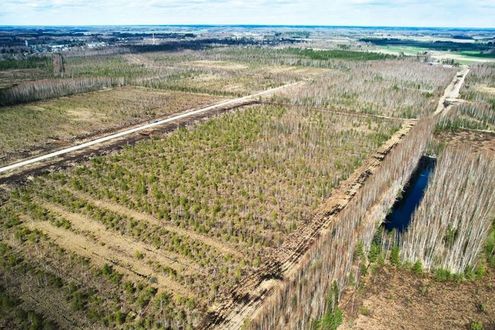
- Part of the international Horizon 2020 WaterLANDS project which aims to restore wetlands across Europe and create a blueprint for upscaling restoration across wider areas.
- Main objective: To stop the gradual degradation of wet forests and wetland habitats caused by drainage and to restore natural hydrological conditions.
- Restoration area: Approximately 3,114 hectares, divided into five separate sectors.
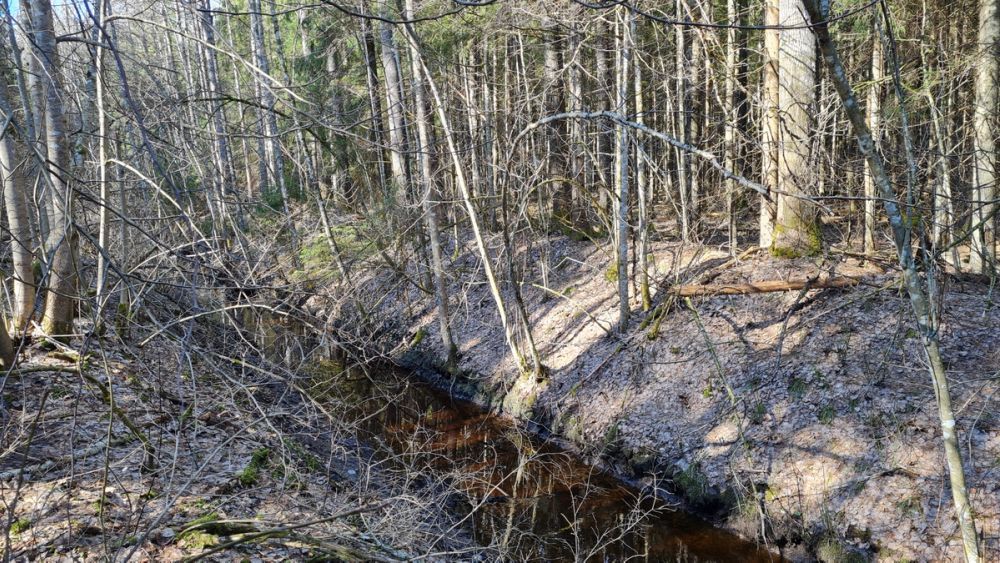
Existing drainage ditch in Kikepera Nature Reserve prior to restoration. Photo: Ants Animägi.
Key Partners and Roles
- Estonian Fund for Nature (ELF): Project partner responsible for coordinating implementation and drafting the restoration plan.
- State Forest Management Centre (RMK): Land manager responsible for ensuring the sustainability of forestry, managing timber removal, and overseeing internal regulations.
- University of Tartu: Conducts scientific research, analysis, and monitoring of the restoration impact.
Other Key Collaborators
- The Environmental Board: Governmental agency within the Estonian Ministry of Climate that acts as a supervisory body ensuring compliance with EU and national protection rules and conservation goals.
Historical Background and Conservation
- In the 1950s and 1960s, intense drainage of the wet forest land was carried out to increase timber productivity.
- Draining a wet forest (or wetland) lowers the water level in the soil, making the land drier. This can allow more trees to grow, but they often replace wetland-adapted plants with species suited for drier habitats. As a result, the ecosystem changes and loses its original biodiversity.
- At the same time, drying out the soil exposes organic material that was previously waterlogged. When this material comes into contact with oxygen, it begins to decompose and release carbon dioxide into the atmosphere. This increases greenhouse gas emissions, which contributes to global warming and climate change.
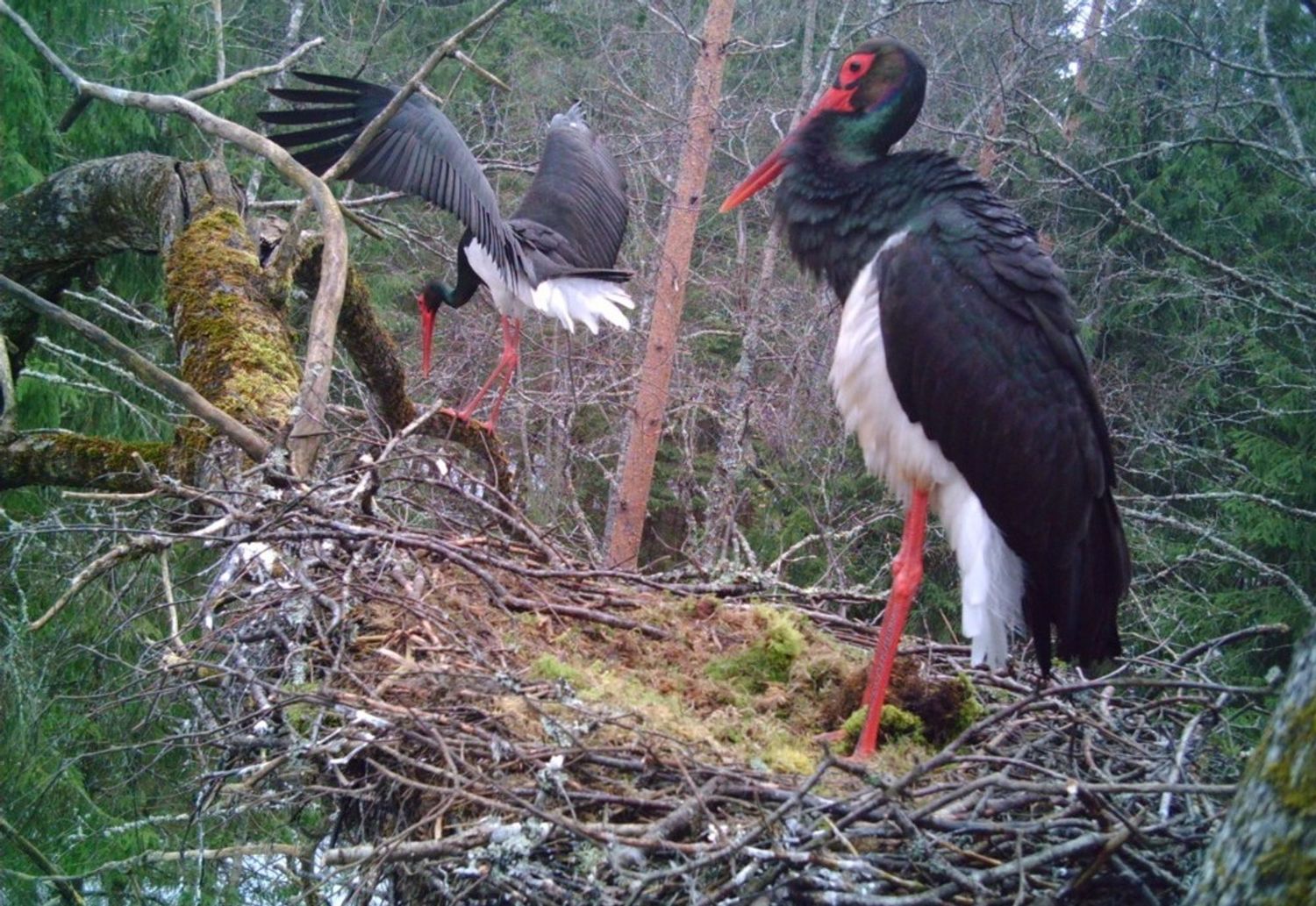
- Initial protection of the area began in 2005 to create permanent habitats for protected species such as Capercaillie, Black Stork, Greater Spotted Eagle, and Eurasian Goshawk. The Kikepera Nature Reserve was officially unified in 2017.
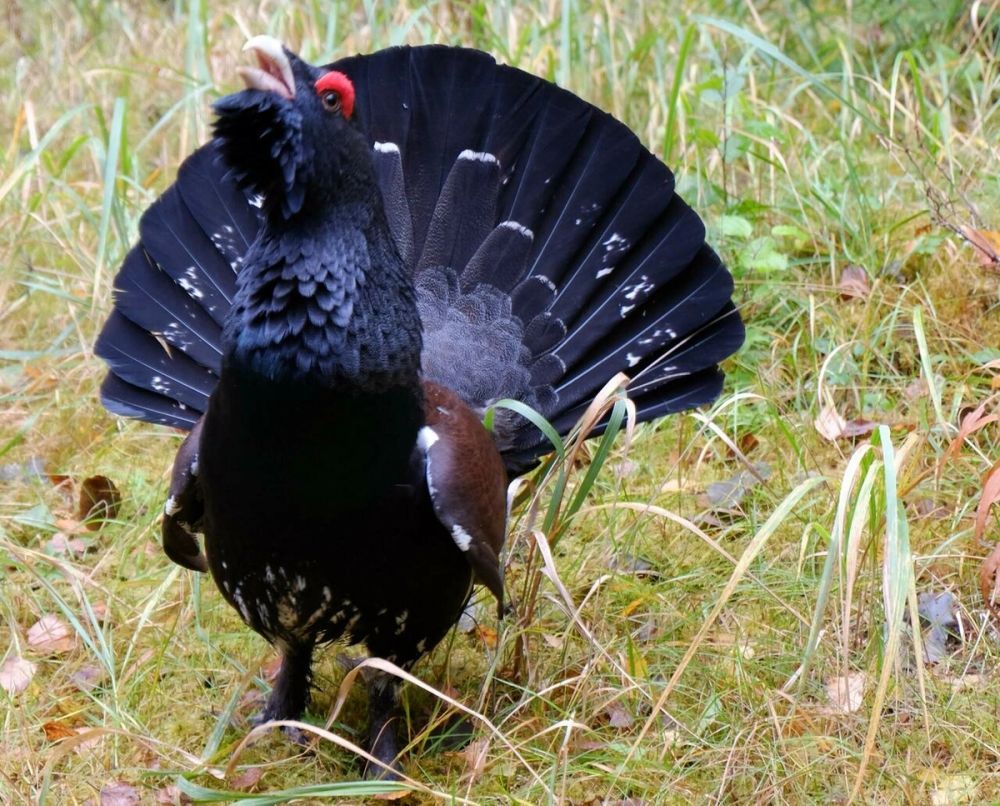
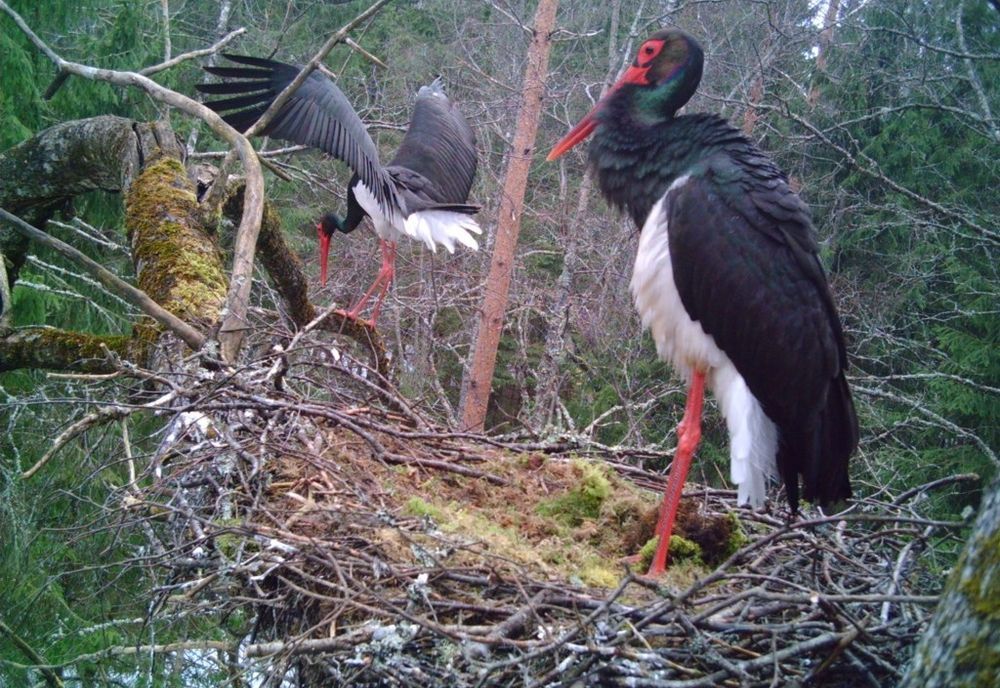
Photography by Renno Nellis and Liis Kuresoo
Planned Restoration Works
- Restoration works are designed to restore the area’s natural hydrology and support the recovery of wetland ecosystems. A total of 143 km of drainage ditches is planned to be closed to raise the water table towards natural levels.
- Overflow dams will be used in specific areas to allow excess water to run off.
- Minimal felling will be undertaken mainly to create access tracks for excavators (mostly along old ditch banks). No clear-cutting of the forest for open mire restoration is planned.
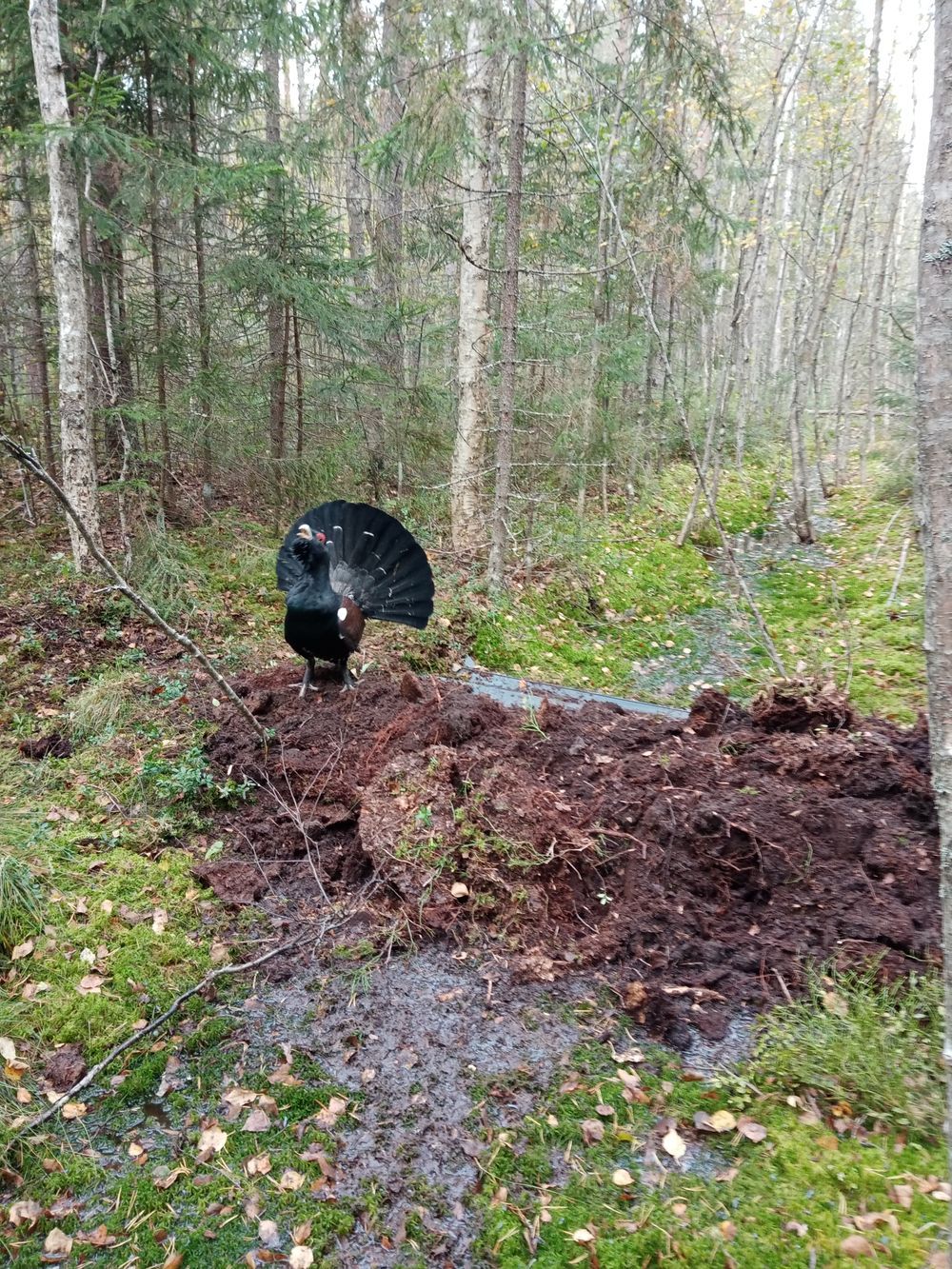
Photography: Jüri-Ott Salm
Environmental and social impact
- Healthy mires take CO2 from the atmosphere and store this carbon for many centuries, helping to offset climate change.
- They also act as natural purifiers, filtering water and preventing nutrients and pollutants from reaching rivers, lakes, and groundwater. Restored mires help reduce the risk of flooding as they are better at retaining water on site.
- Independent analysis by the Environment Agency confirms that the project will not increase flood risk in downstream settlements (e.g., Surju). By retaining water in the landscape, the peak runoff into rivers is actually slowed down.
- Drainage ditches bordering private properties will not be closed; the project will have no impact on water levels on private land.
- Drainage ditches bordering roads will remain open to prevent damage to the local road network. Closing drainage ditches restores ephemeral ponds and shallow, sun-exposed depressions that are the preferred nurseries for Rana arvalis.
- The project is vital for the Capercaillie and amphibians (Rana arvalis, Rana temporalia). It also benefits the Black Stork and Golden Eagle.
- The Western Capercaillie prefers undrained transitional mire pine forests with dense bilberry cover for food and hideouts. Restoring adjacent wetlands improves the habitat and benefits the chicks during the early nesting season.
Community Engagement and Adjustments
- Following local feedback, the planned restoration area was reduced by 400 hectares.
- To prevent tree die-off, technical solutions (like overflow dams) were added to keep water levels approximately 30 cm below the surface in specific forest patches.
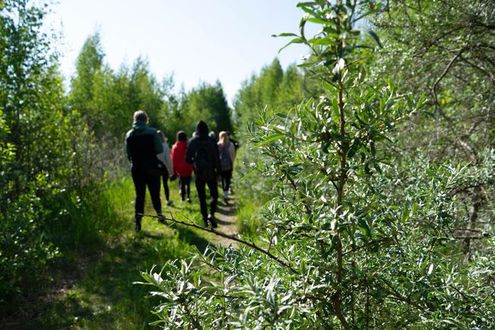
- A local forest hut (Luiga) will be renovated in 2026 using project funds and be available for use by the public for amenity or other activities.
Current status
- In July 2026, Saarde municipality ended the complaint process against ELF and restoration tasks can continue.