“Art has the ability to translate scientific and ecological research into experiences that people can see, feel, understand and emotionally connect with”, says Maria Nalbantova, artist-in-residence at the Dragoman Marsh in Bulgaria.
As a visual artist working across mixed media and various techniques, including sculpture, DIY biomaterials, video, and drawing, she explores life at the WaterLANDS Bulgarian Action Site, the Dragoman Marsh, and its surrounding areas. She sees the Dragoman Marsh as a mirror reflecting many socio-political processes in Bulgaria, the Balkans, and beyond. To her, it’s a liminal space, a place in between. Since the early 20th century, human interventions have continuously reshaped the area—beginning in the 1930s with the first local attempts to drain parts of the wetland, and continuing during the socialist period with the brigadier movement, which mobilized youth labor to dig channels and later construct a pumping station, enabling large-scale drainage of the marsh.
Today, as the largest karst wetland in the country, part of Natura 2000 and the European Green Belt, the marsh holds great ecological and cultural significance. Yet it remains fragmented into private properties and is still officially classified as agricultural land rather than a water body. Without a sewage treatment facility in Dragoman, wastewater still flows directly into the marsh from the nearby town. It is one living organism, but broken into pieces by systems of ownership and management that do not function together.
The aim of the restoration activities as part of WaterLANDS is to seek the best solutions for biodiversity restoration and maintenance, long-term carbon sequestration and the establishment of local economic practices. This will be achieved through different strategies, including trialling sustainable land-use alternatives such as paludiculture, devising a restoration and management strategy, establishing buffer zones around the marsh and improving the existing community outreach infrastructure.
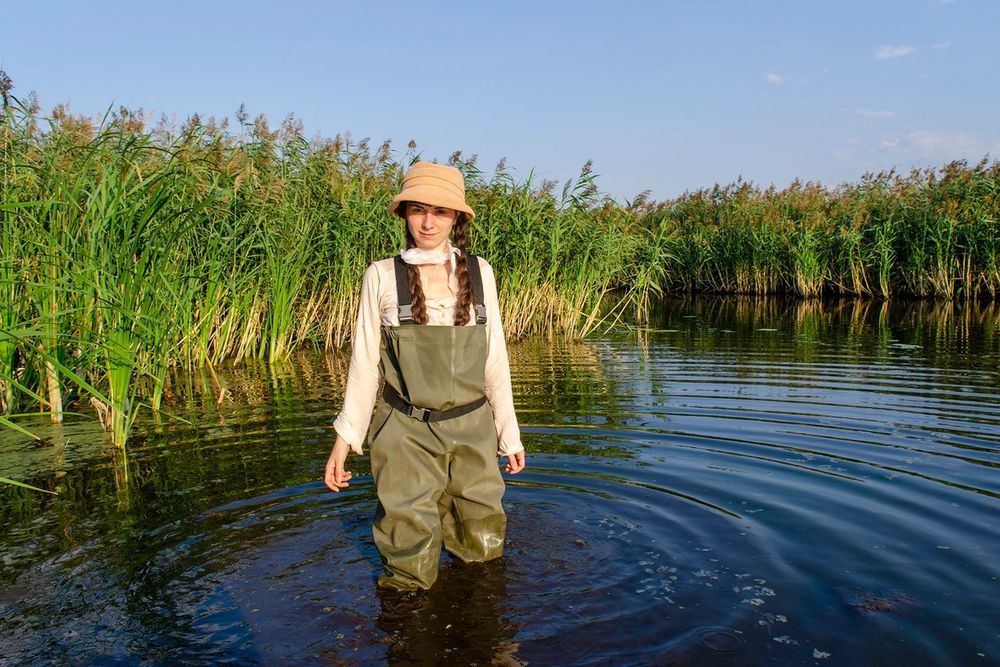
Maria Nalbantova – Dragoman Marsh 2025. Photo: Andrey Ralev
Maria’s work in WaterLANDS
As an artist engaged in this process, Maria approaches wetland restoration not only as an environmental intervention but also as a profoundly social and cultural practice. Through her creative work, she explores the intersections between human and non-human worlds, crafting spaces for reflection, curiosity, and empathy. She is deeply attentive to the stories, memories, and experiences of local communities, as well as the invisible migration routes of birds that can be traced through ornithological monitoring. Positioned at the edge of the European Union and along the migratory corridor Via Aristotelis, the Dragoman marsh becomes a pathway for animals, plants, people, and stories. These overlapping layers of life and experience reveal unexpected complexities that continually inform and inspire Maria’s research.
In her work, she collaborates closely with the Action Site’s scientists from the Balkani Wildlife Society and WWF Bulgaria. Together, they engage in activities such as reed cutting, bird-ringing camps, setting up camera traps, and collecting data on water, plants, and the marsh’s many inhabitants. They organise guided tours, meet with local communities, and lead educational sessions with students. These shared experiences have given Maria a good perspective on the challenges the marsh faces and have inspired much of her artistic work to date.
Maria takes inspiration from the possibilities of coexistence, cooperation, and balance among all parts of an ecosystem, as well as in the moments when such balance becomes impossible. In her practice, materials that signify life in the marsh are an essential part of the artistic concept behind each work. For instance, she has been experimenting with DIY bio-materials made from reeds. As part of this process, she led workshops in her studio in Sofia, where she invited people from different companies to join her in cutting reeds from the marsh during their lunch breaks. While working with the material, they talked about what the word “marsh” means to them, even metaphorically. Community engagement plays an important role in her residency. Besides working with ecologists, Maria met with various local people over the past three years, teachers, retirees, members of the local community centre, small business owners, and landowners in and around the marsh area. Their stories and perspectives have continuously informed her artistic work.
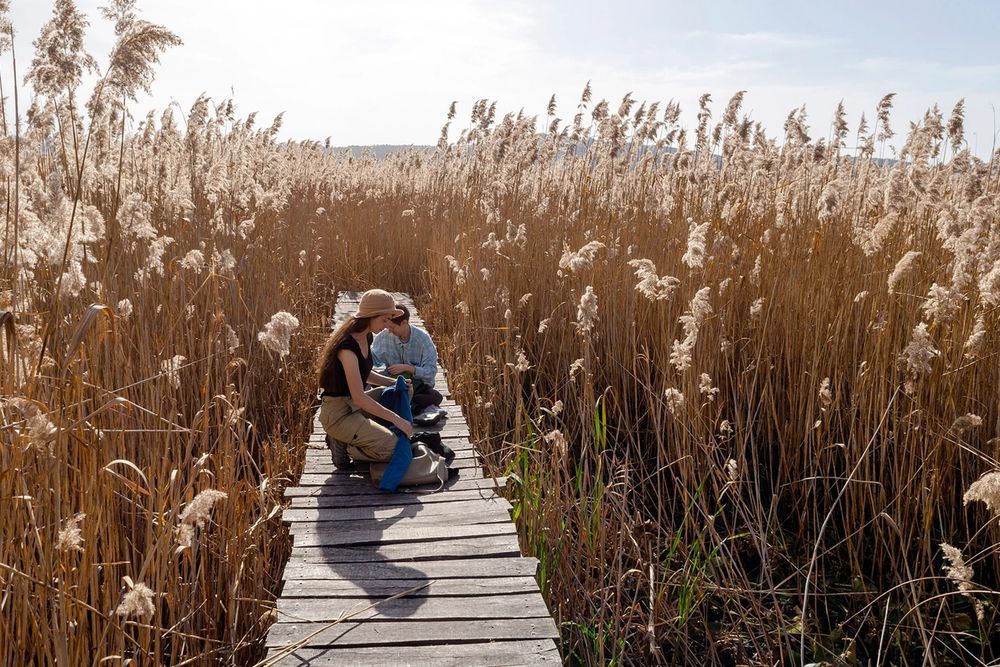
Maria Nalbontava Field Recording at Dragoman Marsh. Photo: Atanas Giew
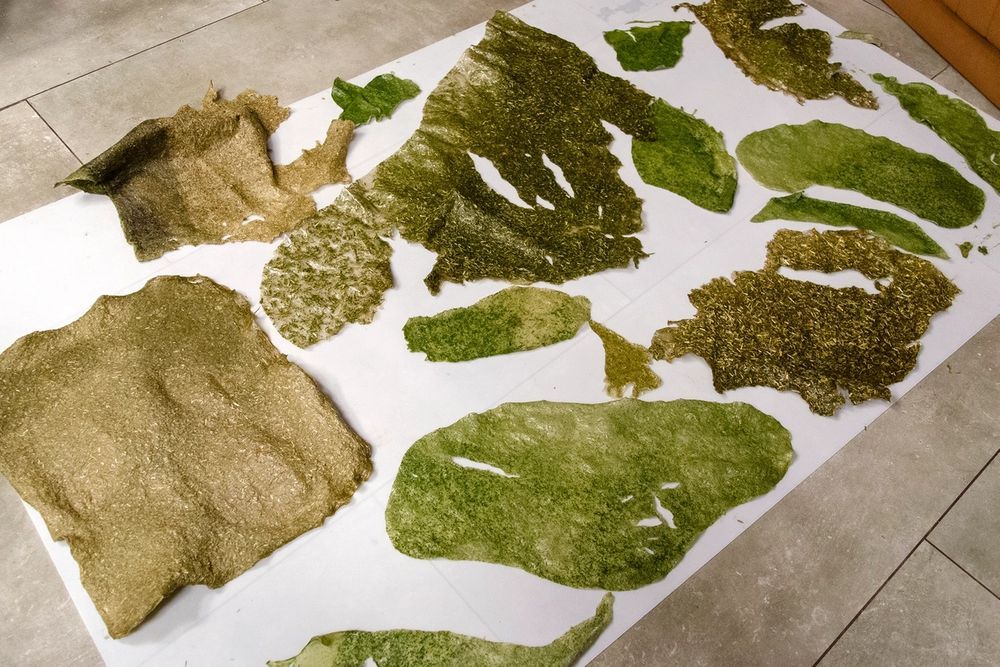
Maria Nalbantova Reed Bio Material
Another research focus of hers, as part of WaterLANDS, revolves around plants. What happens when the marsh is drained and turned into agricultural land? How does it recover and come back to life when it is rewetted decades later? In an effort to document life in the marsh in its various ecological stages of drainage and recovery, Maria studies the plant species that once thrived there, then disappeared and are now reintroduced.
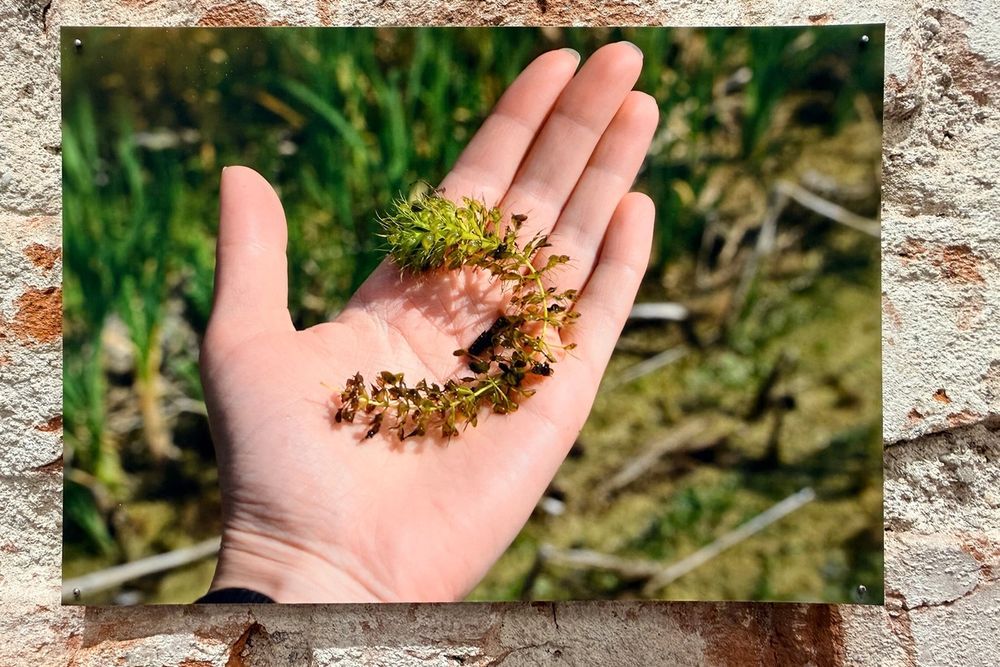
Maria Nalbantova Swamping 2025. Photo: Mihaela Ivanova
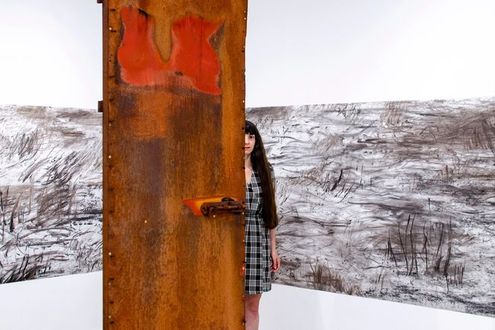
Maria also follows local stories of arson—the deliberate act of setting fire to property—which reveal yet another layer of the fragile relationship between humans and the environment. To explore this relationship, she worked with charred wood collected from sites still visibly scarred around Dragoman Marsh, examining arson as a form of “clearing” land and as a challenge to relationships shaped by personal or financial interests. This research culminated in her exhibition Shameless Ashes (2024), which directly confronted the devastating fire that swept through Dragoman Marsh in 2020, destroying approximately 80% of its vegetation. The fire broke out in January, during unusually cold weather—an unexpected time for such an event. Although official statements proposed several possible explanations, the exact cause remains unknown.
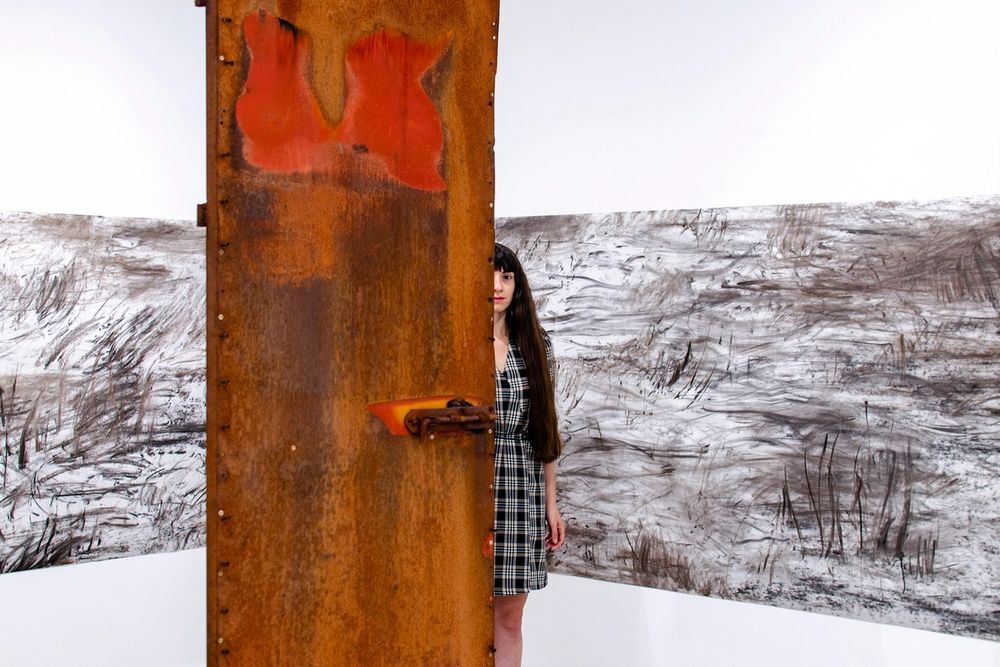
Maria Nalbantova, Shameless Ashes Exhibition. Photo: Maria Todorova
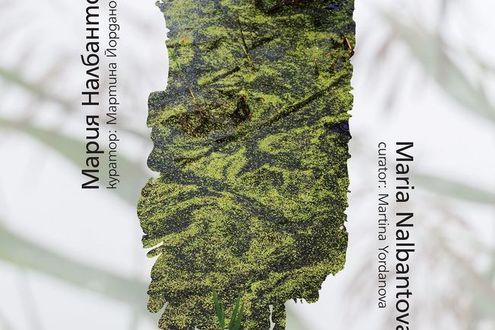
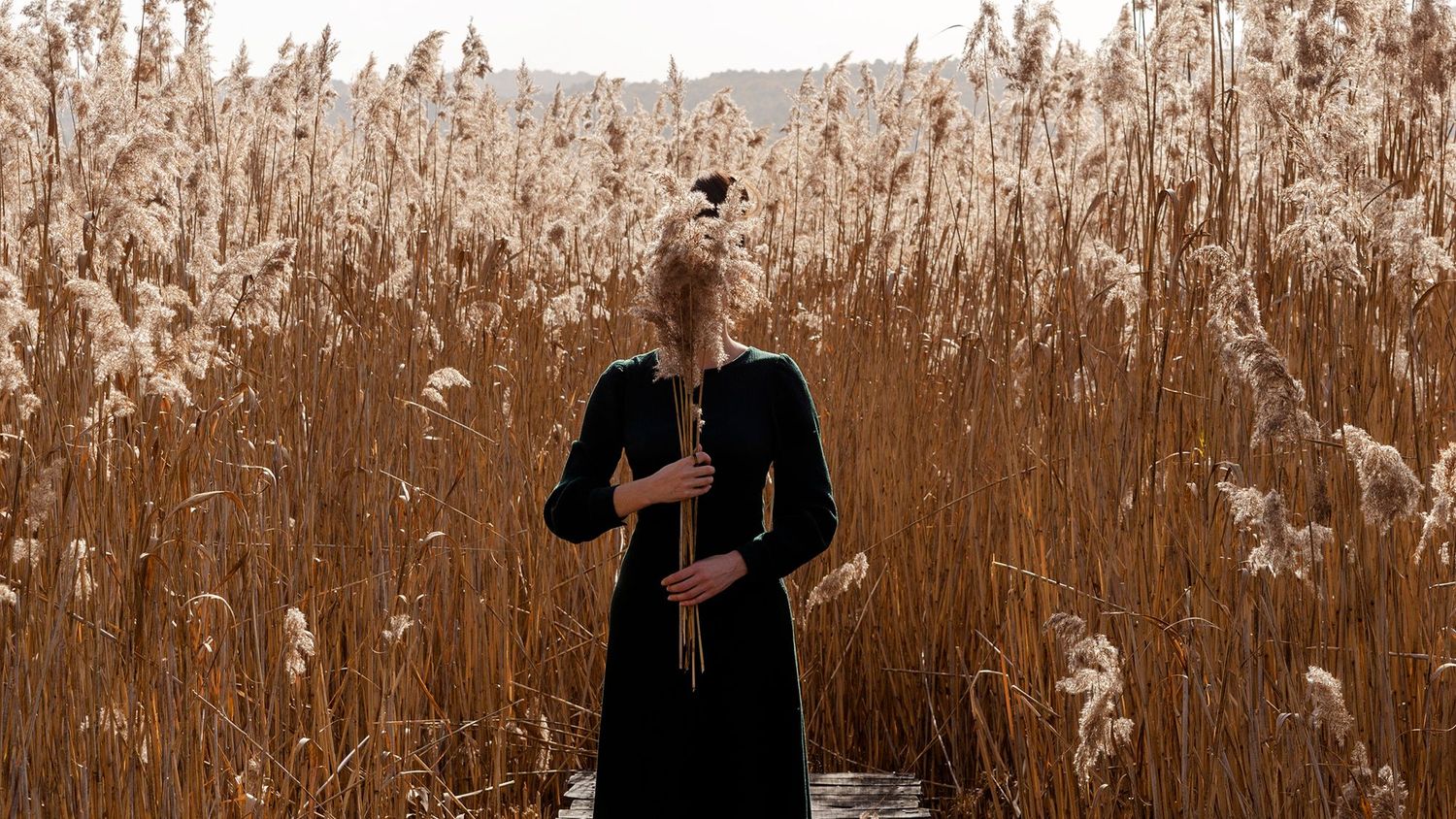
The marsh itself fascinates Maria as a kind of subconscious—a living archive of traces, transformations, and imprints left on a white “canvas.” This perspective is evident in her exhibition Swamping (2025), which approaches the marsh as a metaphor for the human subconscious: a space where egrets and cranes fly overhead, yet wastewater may flow just beneath the surface. In Bulgaria, the word blato (“блато,” meaning marsh or swamp) is often used metaphorically to express contradiction and struggle, evoking uncertainty and danger, where sinking becomes a symbol of being trapped in a hopeless present. In reality, however, marshes are sites of abundant, interconnected life. Through her work Paradise Marsh (2023), Maria draws viewers into marshland as both an artistic metaphor and a living ecosystem, where all inhabitants are continuously interconnected, collectively sustaining—or transforming—the wetland and shaping its future.
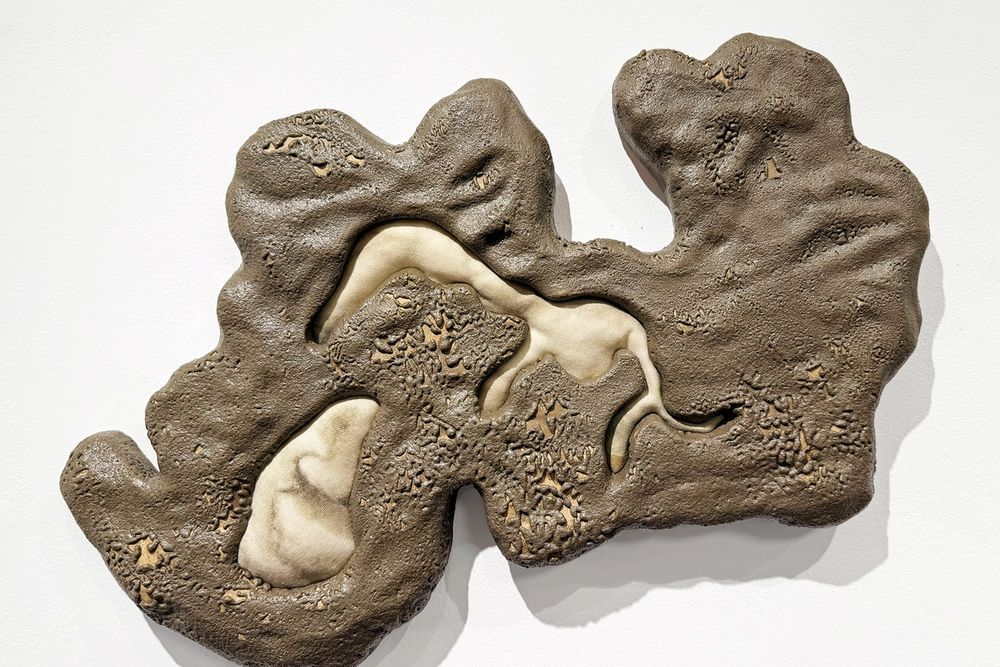
Maria Nalbantova Swamping 2025 Exhibition. Photo: Mihaela Invanova
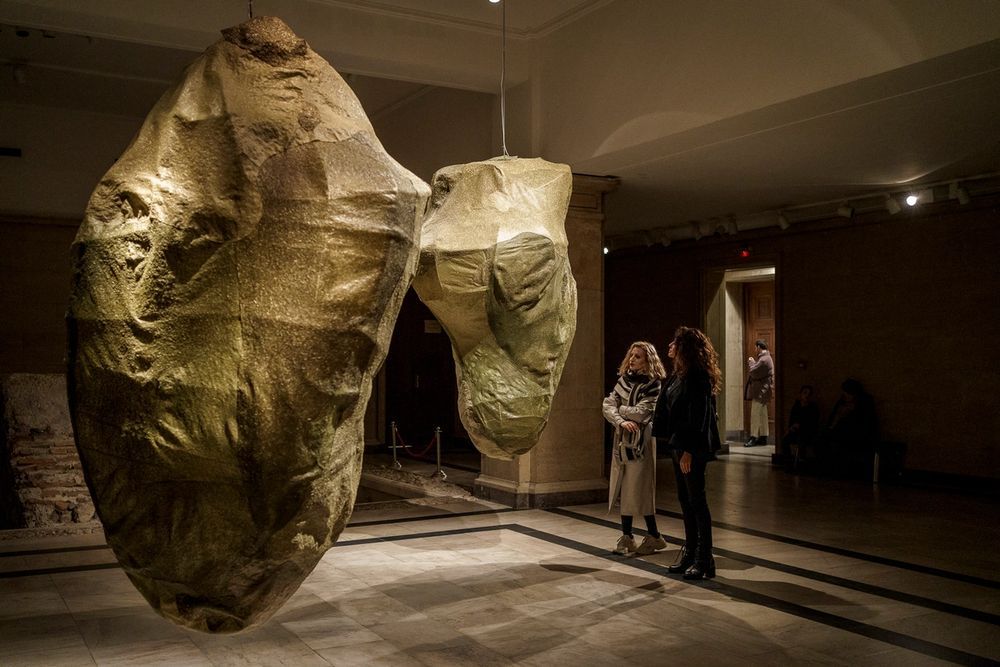
Maria Nalbantova Paradise Marsh 2023. Photo: Kalin Serapionov
Artistic Background
Central to Maria’s practice in previous work beyond WaterLANDS is storytelling. She explores the entanglements between human society and the natural environment, where collected stories, scientific and research-based approaches, are intertwined with fiction and contemporary mythologies, centred around notions of care, trust, and responsibility. Her work to date has been included in the collections of the Contemporary Art Collection of the European Parliament, the China International Culture Association, the Sofia City Art Gallery, and several private collections.
She frequently explores social and political themes. Sometimes this takes the form of site-specific works, where the context and characteristics of a particular space shape the artwork. At other times, a story tied to a specific place inspires a piece that incorporates found objects, materials, photographs, or archival elements as part of the visual composition.
In “Foxtail” (2023), for instance, she focuses on a unique plant root that grows inside asbestos-cement water pipes, eventually blocking water flow. Found in regions with water supply problems, this root, sometimes reaching lengths of up to 20 meters, thrives in darkness and water. But ultimately, the work is about water access, quality, and management, with the “foxtail” serving as a contemporary monster born from these failures.
“Sofia Grand Canal” (2023) explores repressive practices that threaten both societal freedom and the ecological balance of our environment through the megalomaniacal geography-changing projects of the 1950s.
“Post-market” (2023) presents a critical view of the relationship between capitalism and ecology, exploring the theme of recycling and transformation of various commodities, looking at those that are trash for some and value for others.
In Maria’s more recent projects, the marsh, and specifically Dragoman Marsh, has become a very important theme thanks to the WaterLANDS residency. Some of these projects can be seen in an episode of ARTE Twist, in which Maria was recently featured in the episode “Schamlos glücklich?” (22:44 min). Compared to other residencies, Maria considers the three-year-long research-based WaterLANDS residency a real privilege:
“Opportunities to work over such a long period are rare, and this timeframe allows for a much deeper understanding of, and reflection on, the site and the processes that have occurred and continue to unfold there.”
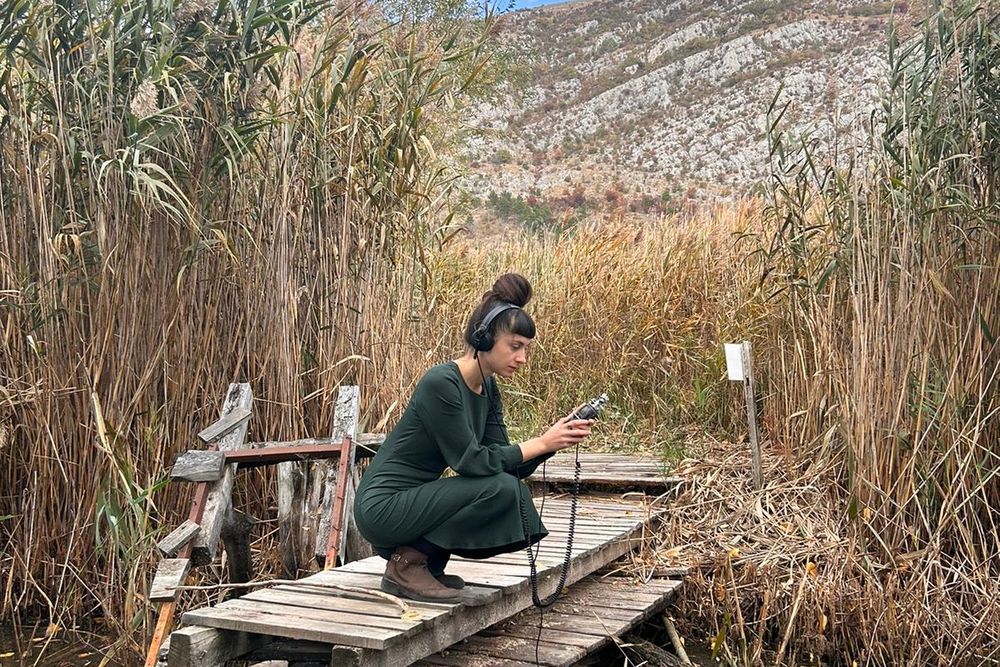
Maria Nalbantova – Field Recordings. Photo: Martina Yordanova