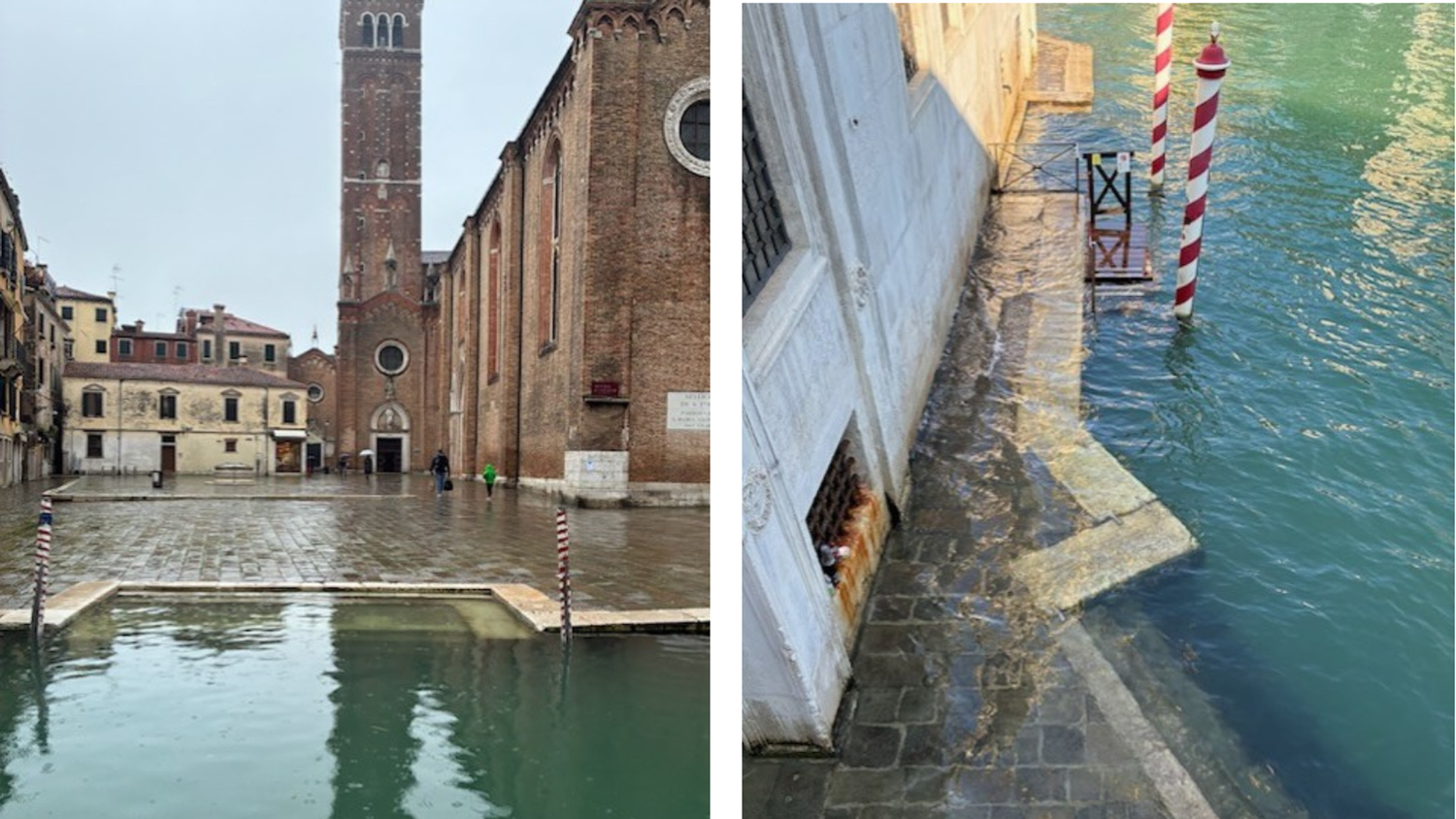
Acqua alta (high water) is the term used to describe the periodic flooding of Venice, usually between Autumn and Winter, that has happened since the city’s inception. However, in recent decades the flooding has increased in intensity leading the Italian government to develop MOSE, a large-scale engineering project, which includes mobile barriers that rise to block more water from entering the lagoon from the sea at the three inlets.
Current flooding and operating of the flood defences
Venice’s flood barriers have been deployed daily since Tuesday 27 January - already nearly 30 lagoon closures this year, or six times more than the expected number of annual closures that the system was designed for (on the basis of modest predictions for climate change and sea level rise). A team of about 80 workers and large amounts of electricity are required to operate the system’s complex mechanical engineering at a cost of €200,000-300,000 per closure cycle. Furthermore, significant areas in the city get flooded anyway, notably Piazza San Marco and around San Giacometto near the Rialto bridge.
While improved automation and recourse to renewable energy would potentially reduce the costs of operating MOSE, interventions are needed to mitigate the effects of such frequent closures on the health of the lagoon and to extend the effectiveness and operating lifespan of the flood protection system itself.
Salt marsh restoration and flood management
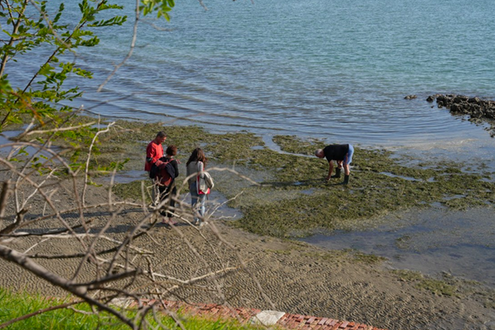
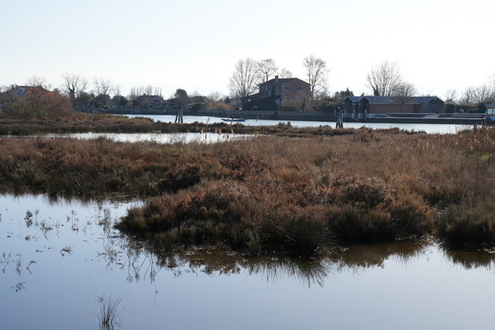
Ambitiously increasing the area of salt marsh (or barene) in the lagoon would help improve its ecological state, as well as attenuate currents, dampen wave energy, and reduce water levels, in other words mitigate the negative consequences of regular barrier closure and, potentially, reduce the frequency of closures.
Most of the salt marsh in the lagoon has been lost in the past 50-100 years through erosion and land reclamation, resulting in a near total elimination of these beneficial effects, as well as a serious reduction in biodiversity. We are here Venice is working to develop a roadmap for salt marsh restoration, reconstruction and maintenance that complements the flood defences and helps protect the city. Improved understanding of the potential of nature-based solutions, coupled with innovative approaches to environmental monitoring and analysis, is now emerging from the EU Horizon programme’s WaterLANDS initiative, bringing new opportunities in terms of feasibility and efficacy for wetland restoration and recreation on a large scale - essential for saving Venice.