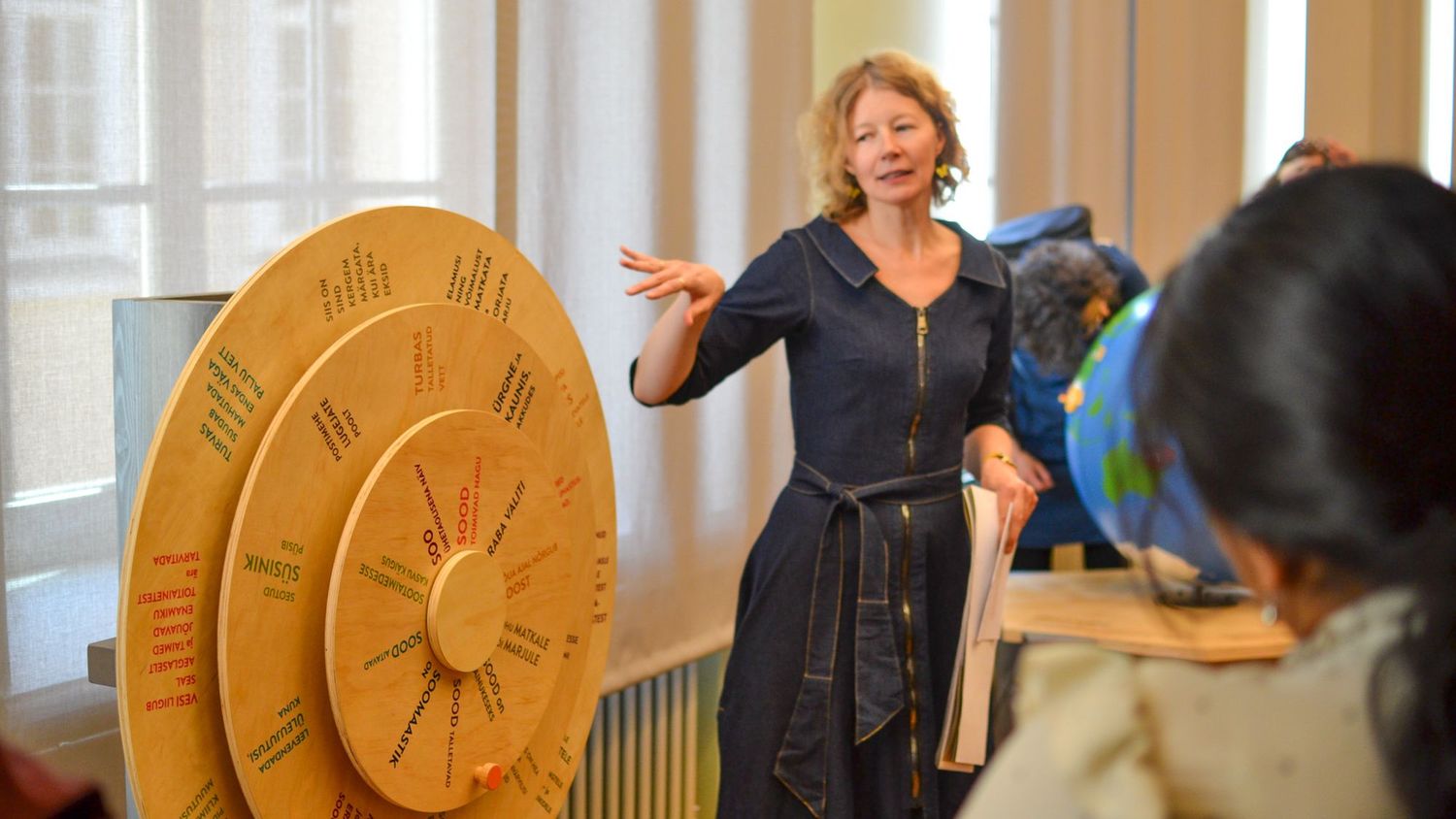
Hero Image: Curator Piret Pungas-Kohv giving a tour of the exhibition to the WaterLANDS consortium (Credit: Ode Maria Punamäe)
A new exhibition "Between Land and Water – Our Sizzling Relationship with Mires" in the University of Tartu Natural History Museum explores the diverse value of wetlands and bogs both in Estonia and across the globe.
The interactive exhibition features eleven unique activity stations that trace the relationship between humans and mires over the last century in Estonia, while also highlighting the global importance of these ecosystems. It encourages reflection on the role wetlands play today and will play in the future.
"Understanding the value of wetlands and preserving them plays a significant role in maintaining the climate, our biodiversity, and our cultural memory. The exhibition invites us to view bogs not as a problem or an economic resource, but as a partner with whom our relationship needs a new balance" explains curator Piret Pungas-Kohv, who is a member of the WaterLANDS Estonian Action Site team.
The educational activities range from assembling puzzle wheels illustrating the importance of bogs, comparing different types of wetland, observing how newspaper coverage of bogs has evolved over the past century, or watching the new "Ah soo" series on the vital connection between mires and carbon.
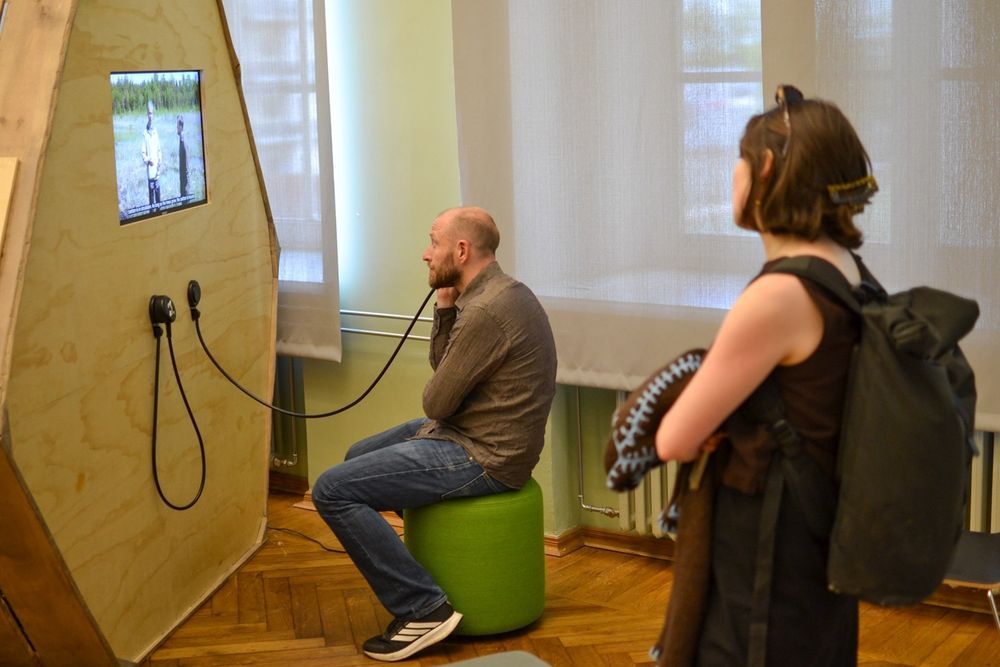
Image 1: Video series (Credit: Ode Maria Punamäe)
Visitors can build a 'biodiversity tower', similar in structure to Jenga, where each block represents a different species that lives in a fen, transitional mire, or raised bog. As more species are removed, the ecosystem becomes less and less stable.
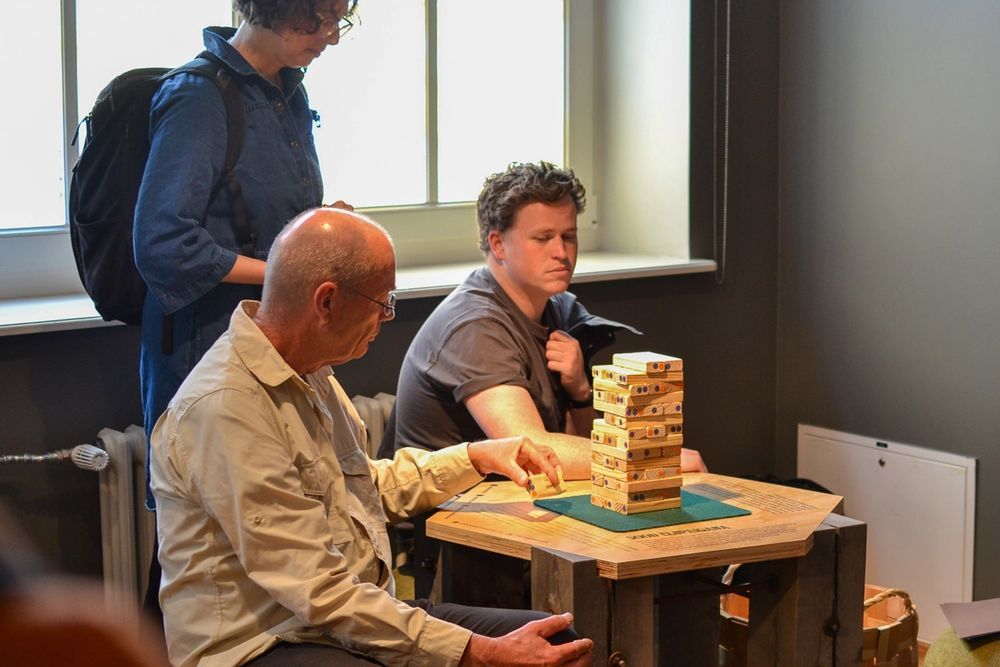
Image 2: Biodiversity Tower (Credit: Ode Maria Punamäe)
With the direct support of the WaterLANDS project, two major interactive exhibits were developed to provide visitors with a hands-on understanding of wetland restoration:
The landscape model of mire restoration
One of the most popular features of the exhibition allows visitors to get their hands dirty (or more specifically “wet”) by stepping into the role of a restoration specialist. On this model of a drained mire landscape, visitors can place miniature dams on drainage ditches to manage water levels. The model provides a visual and tactile way to observe how the water regime changes and also understand the conditions required for bog species to return. As the ground becomes more saturated, the species that rely on these wet conditions will begin to appear on the model. This model was created by Marko Kohv, a member of the WaterLANDS Estonian Action Site team.
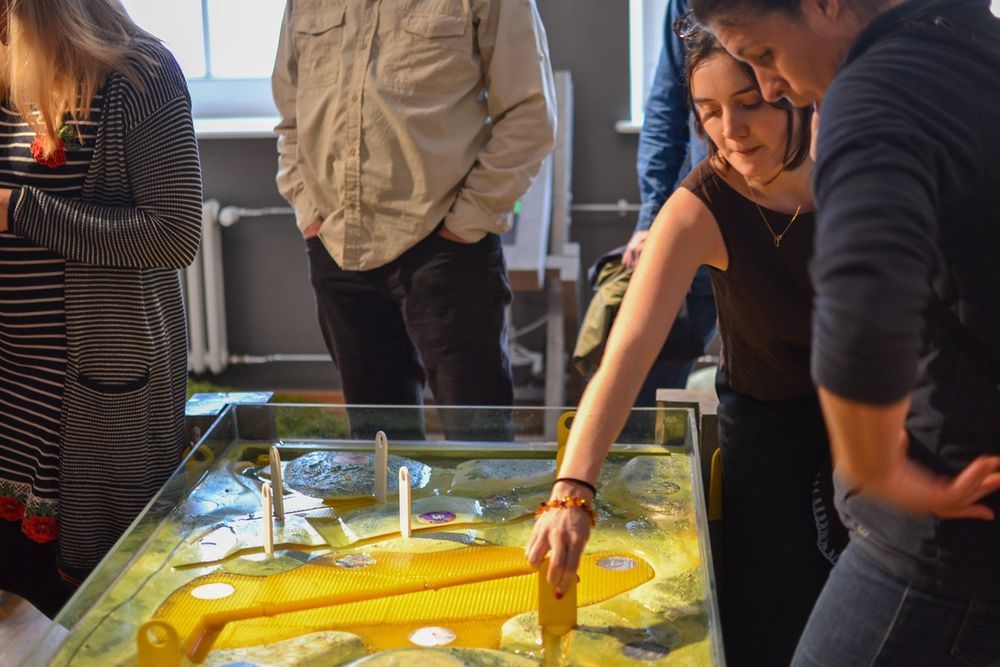
Image 3: Landscape Model made by Marko Kohv (Credit: Ode Maria Punamäe)
Digital game "Ten steps of mire restoration"
The exhibition features a custom-developed interactive game that puts the player in charge of a community's environmental future. The game sets a scene: imagine a village nestled at the edge of a bog where, half a century ago, drainage ditches were carved into the land to make room for forests and hayfields. Today, the consequences are clear - the cloudberries have vanished, frogs no longer herald the spring, and stubborn peat fires break out in the summer heat. Players are tasked with transforming this parched ground back into a thriving mire by organizing ten essential restoration steps. The catch? The steps are jumbled, and it is up to the player to determine the most logical order to bring the bog back to life.
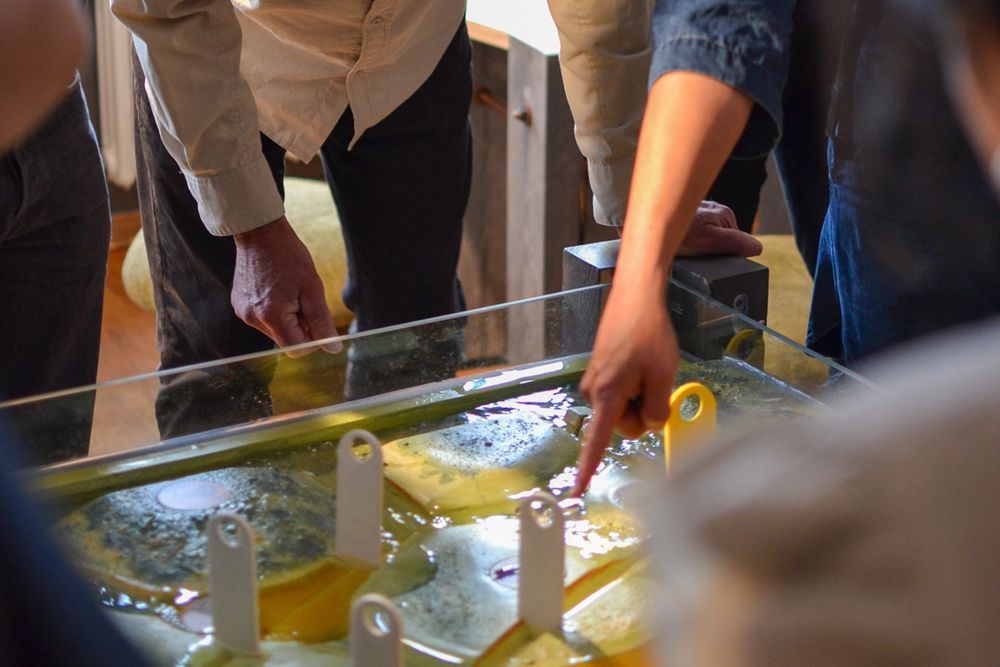
Image 4: Landscape Model close-up (Credit: Ode Maria Punamäe)
The exhibition was brought to life by curators Piret Pungas-Kohv and Riste Keskpaik, consultants Marko Kohv and Eerik Leibak, and many others. The visual design was created by artist Margot Sakson and the project managed by Reet Mägi, with OÜ Motor constructing the display based on the team's technical designs.
There is also created an english-language brochure to guide visitors through the exhibit.
The exhibition was supported by the Environmental Investment Centre (KIK) and the WaterLANDS project from the European Union’s Horizon 2020 programme.
Visitor Information
Location: University of Tartu Natural History Museum, Vanemuise 46, Tartu.
Opening hours: Tuesday–Sunday, 10:00–18:00.
Duration: The exhibition is open until January 2027.