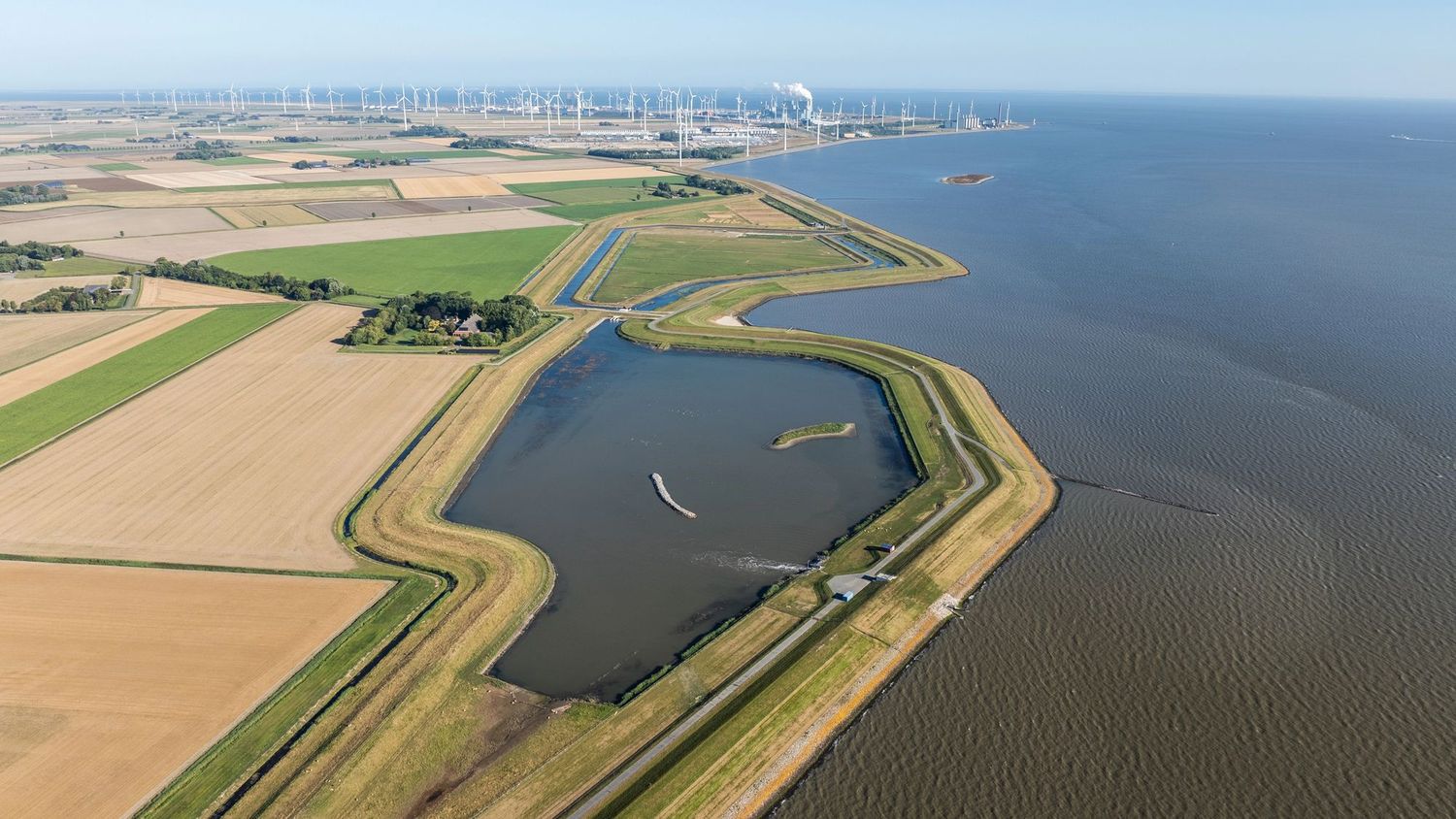
Hero Image: Double Dike project. Credit: Provincie Groningen.
For centuries, communities along the Ems-Dollard estuary have relied on dikes to keep people, farmland and infrastructure safe from the sea, but they often disconnect estuaries from their natural dynamics, contributing to habitat loss and ecological decline. Today, rising sea levels, ongoing land subsidence, and high levels of suspended sediment are creating new challenges for both flood protection and ecological health.
The WaterLANDS Dutch Action Site partner, Provincie Groningen, alongside the Noorderzijlvest water authority, opened the Double Dike project last month. This project reimagines coastal defence by creating a zone between two dikes where seawater can enter in a controlled manner through a culvert. As tides flow in and out, sediment carried by the water settles naturally and gradually raises land levels while a second inland dike continues to protect surrounding communities and agricultural land.
As inland areas continue to subside from peat oxidation and gas extraction, allowing the land to rise alongside sea levels is becoming critical. By enlarging the estuary and making space for sediment, the Double Dike helps reduce hyper-turbidity, and allows trapped sediment to contribute to land elevation and dike reinforcement. This innovative Nature-based Solution, restores the landscape's natural capacity to keep pace with rising seas, strengthening long-term flood resilience and creating a more adaptable form of coastal defence.
In addition, it also improves water quality and supports the development of valuable transitional habitats, allowing new aquatic and wetland ecosystems to emerge. This area represents ~22 ha of new wetland and saltmarsh created.
The project also provides opportunities for sustainable economic activities such as aquaculture, including the cultivation of seaweed and shellfish, alongside forms of saline agriculture suited to changing environmental conditions. These activities offer potential new income streams for coastal communities while reducing pressure on freshwater resources.
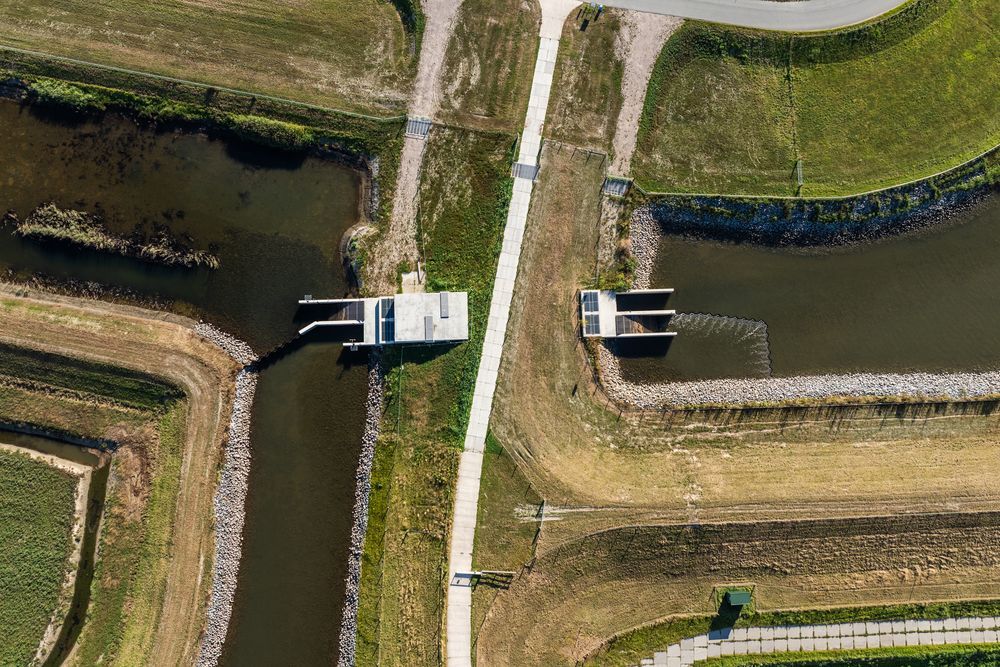
Image 1: Double dike project. Credit: Provincie Groningen.
Despite the complexities and costs involved in pioneering such an ambitious project, the Double Dike has become a flagship example of how coastal regions can respond to climate change by working with nature rather than against it. The Double Dike project is showing how flood protection, ecosystem restoration and sustainable economic development can be combined to create a more resilient future for both people and nature in the Ems-Dollard region.
You can view a video of the project and opening event here.