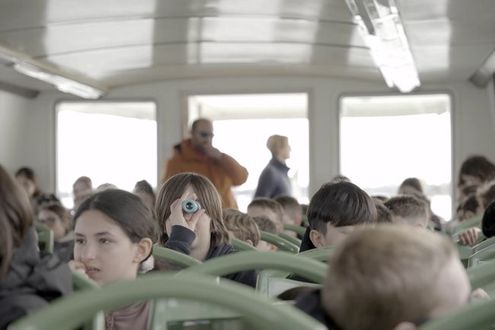
The Venetian Lagoon is the largest coastal wetland in Italy, hosting a unique range of biotypes including salt marshes, reed beds, seagrass meadows, and mudflats. This wetland faces many challenges including extensive loss of salt marsh and ongoing erosion - issues which are exacerbated by urbanization, shipping and local water traffic, and canal dredging. The motto of We are here Venice (WahV) is ‘Venezia è laguna’ (“Venice is its lagoon”) to reinforce the awareness that the fate of the city and the encircling lagoon are interconnected.
‘Giants of the Lagoon’ is an ongoing participatory citizen science and environmental education programme originally developed within WaterLANDS, to facilitate deeper engagement amongst school children with the lagoon in Venice. It was initially developed by WahV in collaboration with Wageningen University and the Giancarlo Ligabue Natural History Museum. From its second edition onwards, the programme has been further enhanced and coordinated by WahV in collaboration with a growing network of educators, scientists, artists and nature guides.
The programme responds to the urgent need to safeguard the lagoon as a living socio-ecological system, with a particular focus on salt marshes (barene), which are highly dynamic wetland environments shaped by tides, sediments, vegetation and human pressures. The motto of WahV is ‘Venezia è laguna’ (“Venice is its lagoon”) to reinforce the awareness that the fate of the city and the encircling lagoon are interconnected. Citizen science activities encourage people to “re-see” landscapes, strengthen community connections to wetlands, and foster support for wetland restoration.
Recognising young people as a critical constituency for long-term environmental stewardship, Giants of the Lagoon targets first-year secondary school pupils, embedding lagoon knowledge within formal education while extending learning into public space and civic life. After the initial pilot in 2023, the programme has reached its fourth edition (2025/26), involving more than 800 pupils and teachers from 7 schools in the Venice metropolitan area.
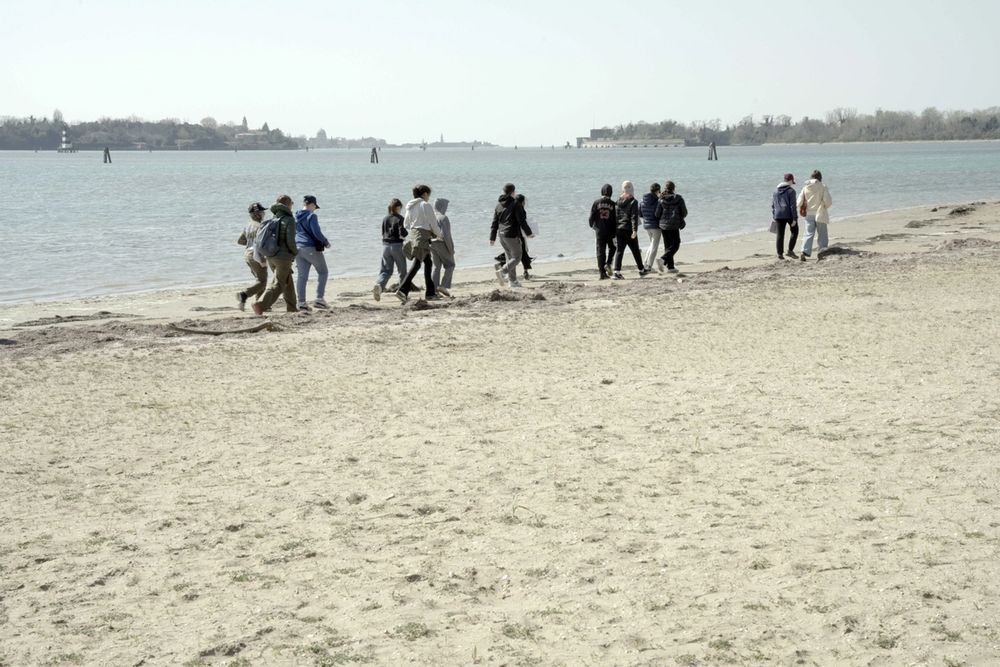
Image 1: Giants of the Lagoon 2026 (Credit: Eleonora Sovrani)
The programme method and structure
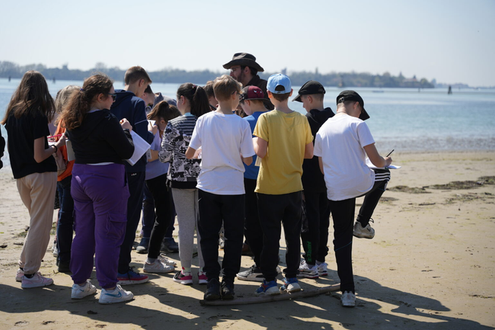
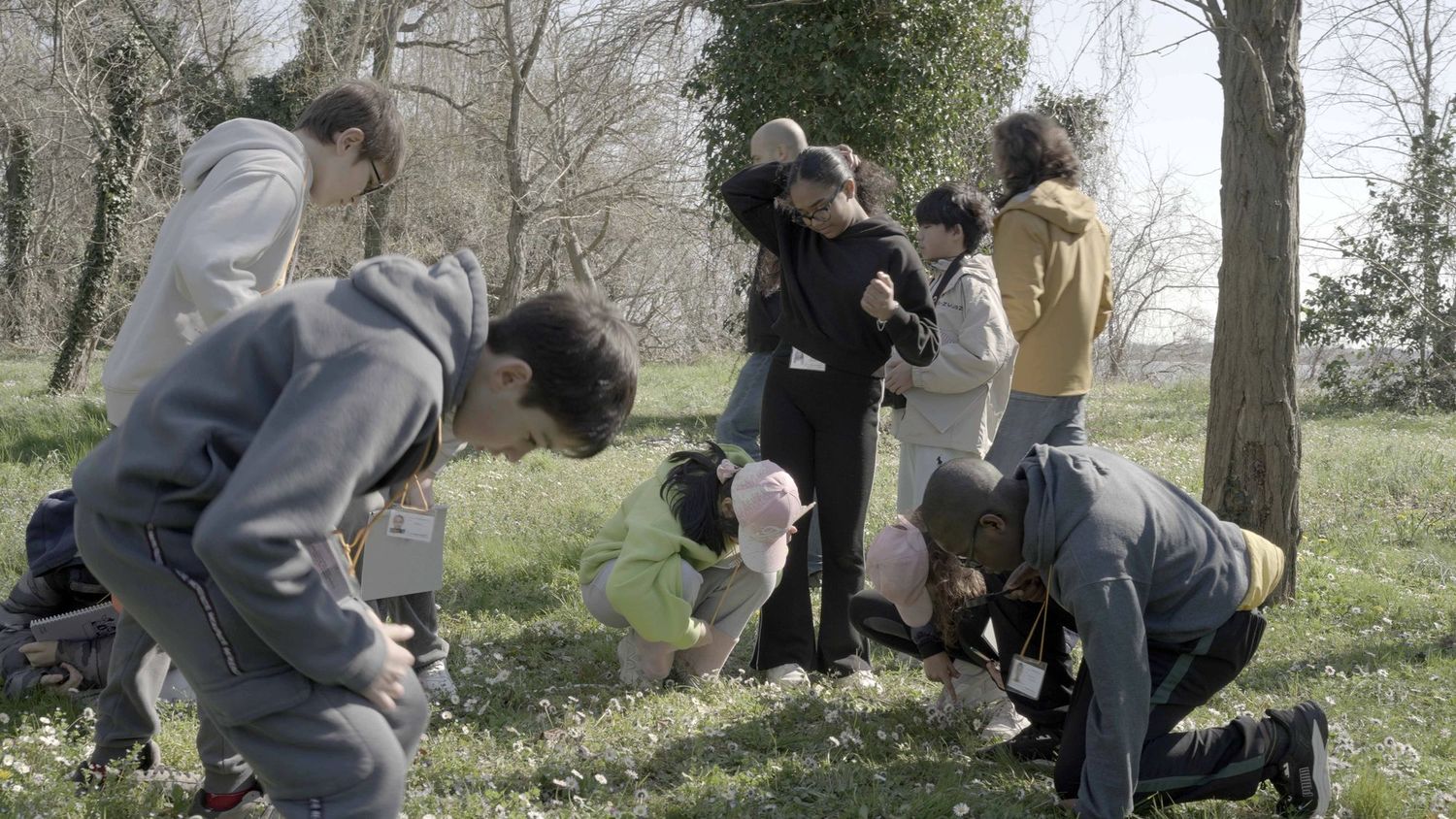
The novelty of the Giants of the Lagoon approach lies in the programme’s integration of scientific assessment, arts-based practice, and civic engagement into a single, coherent educational model. Articulated across the school year, the programme combines classroom learning, independent observation, fieldwork, play, and public engagement. Teachers receive training and materials including sessions with experts in lagoon morphology, ornithology and environmental interpretation. Pupils first receive lessons within the classroom, followed by a full day guided field excursion. They are given a purpose-designed field notebook, featuring scientific reference material, visual prompts and space for notes and drawings. Through age-appropriate citizen science activities, pupils collect observations and develop skills in ecological monitoring, contributing to a broader culture of public engagement with wetland conservation. They then prepared creative presentations in groups, which include the use of interviews, songs, and riddles, to share the experience with their classmates.
Over the various editions of the Giants of the Lagoon programme, the students helped to test and co-design an educational game, the “barena game”, that simulates salt marsh dynamics and decision-making. This game was developed by WaterLANDS artist-in-residence, Claudio Beorchia, in collaboration with WahV and its scientific network of experts and engineers.
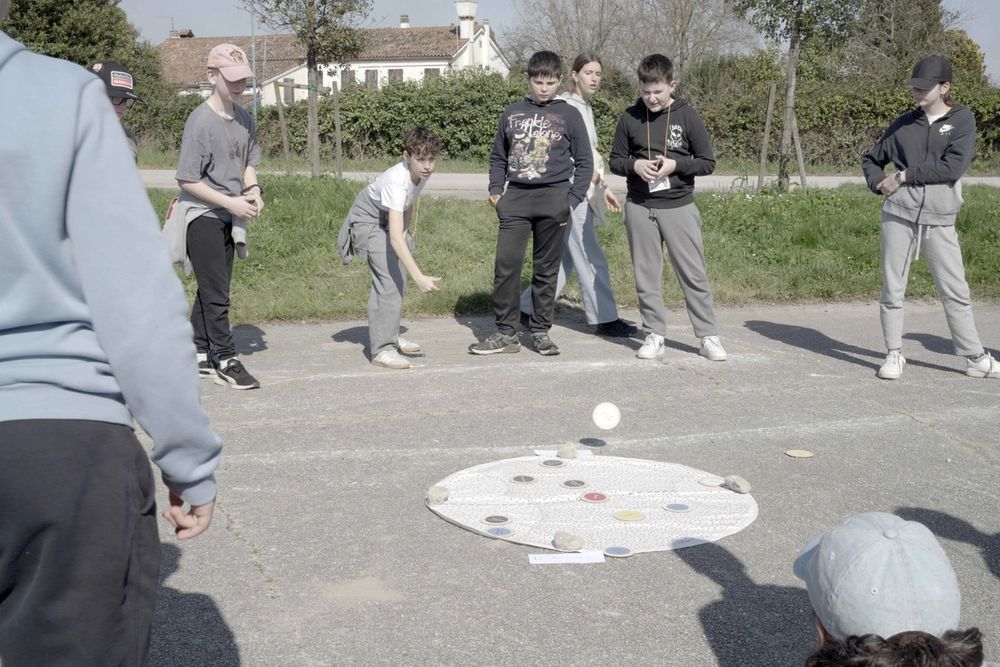
Image 2: Giants of the Lagoon 2026 Barena Game (Credit: Eleonora Sovrani)
The programme culminates in a final outdoor event in a public urban space in Venice, where students’ families, Venetian residents, and visitors are invited to view the presentations and participate in games. Public presentations by pupils, provide an opportunity for reflection on their learning experiences, highlight the need to improve the health of Venice’s lagoon system, and share these learnings with the public.
Students are asked to complete a “before and after” worksheet, prior to the first classroom meeting and after the excursion, to capture shifts in perception, scale awareness and ecological complexity. After each edition of the programme, these worksheets were analysed, feedback was gathered from teachers and guides, and best practice and areas of improvement were identified as part of an iterative process, continuously developing the programme design, tools and implementation.
Outcomes from Giants of the Lagoon
As a result of this programme, pupils’ understanding of the lagoon evolved from a focus on boats, fish and more obvious elements towards understanding salt marshes as key environments, with a variety of smaller organisms (molluscs, crustaceans, insects), and the interrelationships between plants, animals, tides and human activity. The programme improved pupils’ ecological literacy, from expanding their vocabulary and understanding of environmental pressures, to gaining skills in species identification. Teachers consistently reported strong enthusiasm, long-term recall of content, and increased confidence among pupils, particularly when multiple modes of expression (drawing, speaking, play) were offered. Field observation and boat-based exploration were repeatedly identified as transformative, especially for pupils from the mainland areas of greater Venice with limited prior exposure to lagoon environments. By strengthening young people's understanding of salt marsh ecosystems and their role in the health and resilience of the Venice Lagoon, this contributes towards the social conditions needed for creating a legacy for successful wetland restoration and conservation.
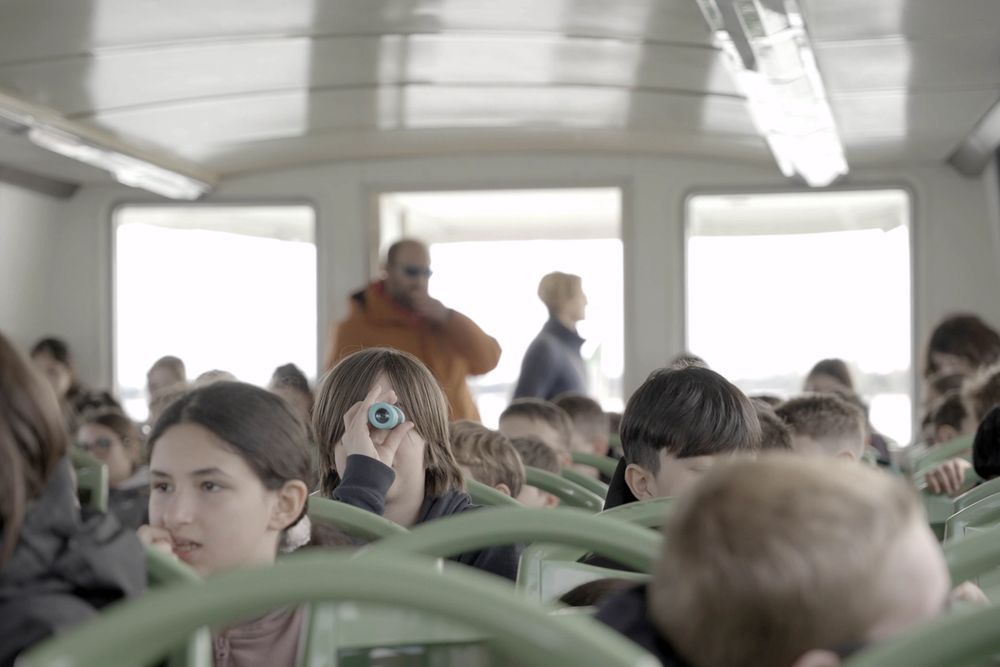
Image 3: Giants of the Lagoon 2026 (Credit: Eleonora Sovrani)
Further to this, findings from this programme informed a publication on school children’s shifting visions of nature to evaluate the effectiveness of environmental education. Children with a nature-centered perspective of the natural world became more environmentally aware and “connected to” the lagoon after the field excursion, suggested by increases in the use of environmental elements to describe the lagoon, words associated with positive emotions, and the recognition of environment-friendly activities.
A replicable, interdisciplinary citizen science and environmental education programme
Through embodied observation across ecological scales (from the landscape to the micro-level), child-friendly citizen science tools, arts-based methodologies (drawing, storytelling, graphic design, games) and public engagement, Giants of the Lagoon has successfully reconnected hundreds of young people with the Venice Lagoon and its salt marsh ecosystems. The programme has strengthened wetland literacy, ecological awareness and systems thinking in students, while also creating meaningful links between schools, communities, scientists and restoration practitioners. The structured interdisciplinary methodology, educational resources and evaluation framework provide a replicable model that can be adapted for environmental education and community engagement initiatives in other environmental restoration contexts across Europe.
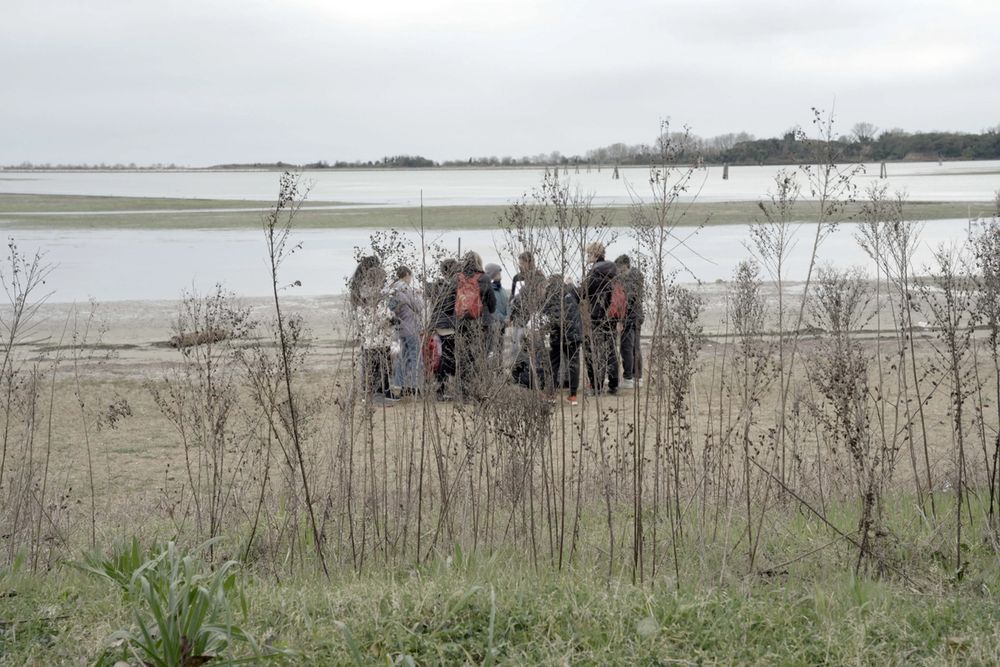
Image 4: Giants of the Lagoon 2026 (Credit: Eleonora Sovrani)
The programme been presented to the public in various contexts since 2024, and will be presenting at the ECSA 61 conference 'Bridging the gap between science and policy in estuarine and coastal marine biodiversity' in August 2026. The methodology used has the potential for integration into national school curricula across Europe and research is ongoing to have the programme included in the ministerial educational programme in Italy.