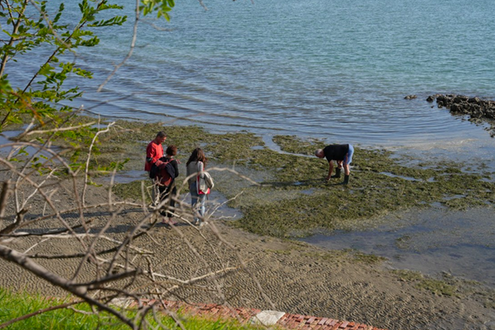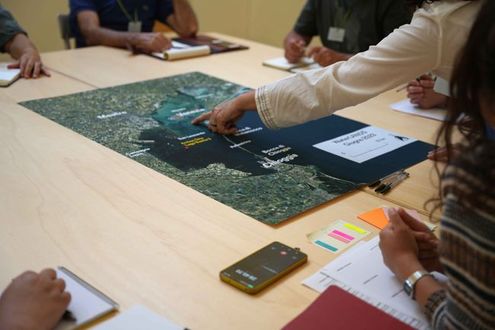
A new study published through the WaterLANDS and REST-COAST projects demonstrates how participatory approaches and spatial analysis can be combined to support the restoration and rebuilding of salt marshes in the Venice Lagoon. Led by Professor Carlo Giupponi and Dr Perla Irasema Rivadeneyra García, from Ca' Foscari University of Venice, the study was published in Science of the Total Environment September 2026 issue and is available through open access.
The research applied a Spatial Participatory Multi-Criteria Decision Analysis (S-PMCA) framework to identify and prioritise locations for salt marsh restoration. The approach integrates stakeholder perspectives with ecological, geomorphological and economic considerations, helping to identify restoration areas that are both feasible and strategically important.
Key Findings
- GIS-based Multi-Criteria Decision Analysis identified priority areas for salt marsh restoration across the Venice Lagoon.
- Six spatial criteria were selected and refined through stakeholder engagement.
- An Ordered Weighted Averaging approach was used to capture different attitudes towards restoration risk.
- Areas were grouped into four performance classes based on a Cost-Effectiveness Index that combined restoration suitability with estimated implementation costs.
- Priority restoration hotspots were identified along lagoon margins and near the Malamocco-Marghera canal.
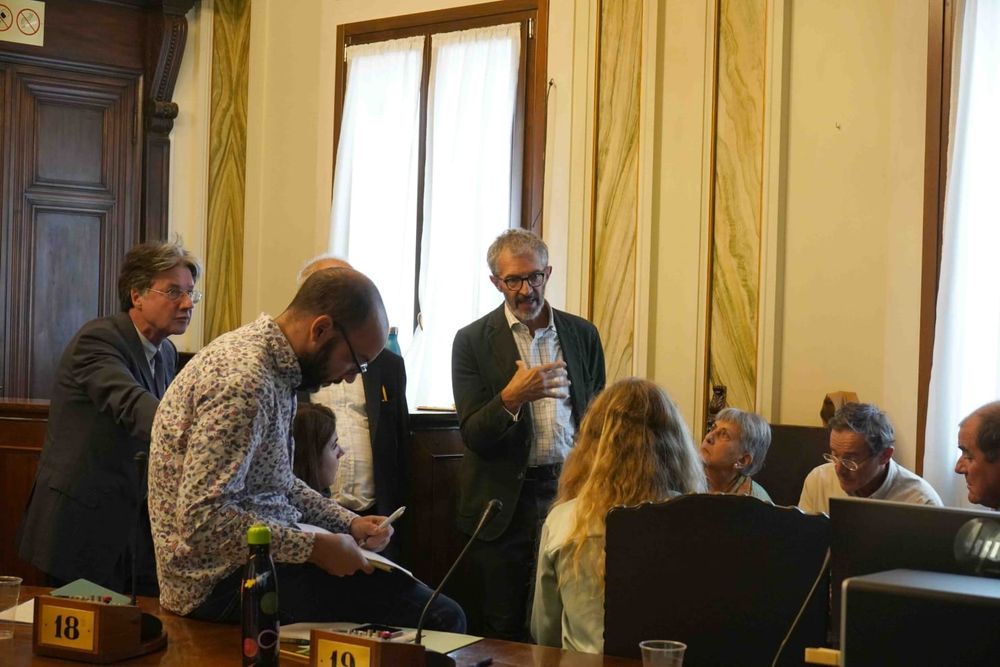
Image 1: Workshop October 2024 (Credit: Dr Perla Irasema Rivadeneyra García)
Why It Matters
The study addresses a pressing challenge for the Venice Lagoon, where salt marsh habitats are declining due to sediment shortages, relative sea-level rise, and ongoing environmental pressures. Restoration planning is further complicated by a complex governance system involving multiple stakeholders with interests in fishing, tourism, transport, and other economic activities. Incorporating these diverse perspectives is essential for developing effective and widely supported restoration strategies.
Implications for Restoration Planning
By integrating stakeholder knowledge, spatial ecological criteria and economic feasibility within a single decision-support framework, the study provides an operational methodology for prioritising salt marsh restoration in the Venice Lagoon.
The findings also have important policy implications:
- They provide a robust spatial basis for directing limited public funding towards areas with the greatest restoration potential.
- They support phased implementation by distinguishing between sites that are immediately viable and those requiring additional investment or protective measures.
- The participatory approach strengthens institutional legitimacy and helps reduce potential conflicts within a governance system characterised by overlapping mandates and competing sectoral interests.
Overall, the study offers a practical and transparent framework for supporting nature restoration decision-making in complex coastal environments and demonstrates the value of combining scientific evidence with stakeholder participation.
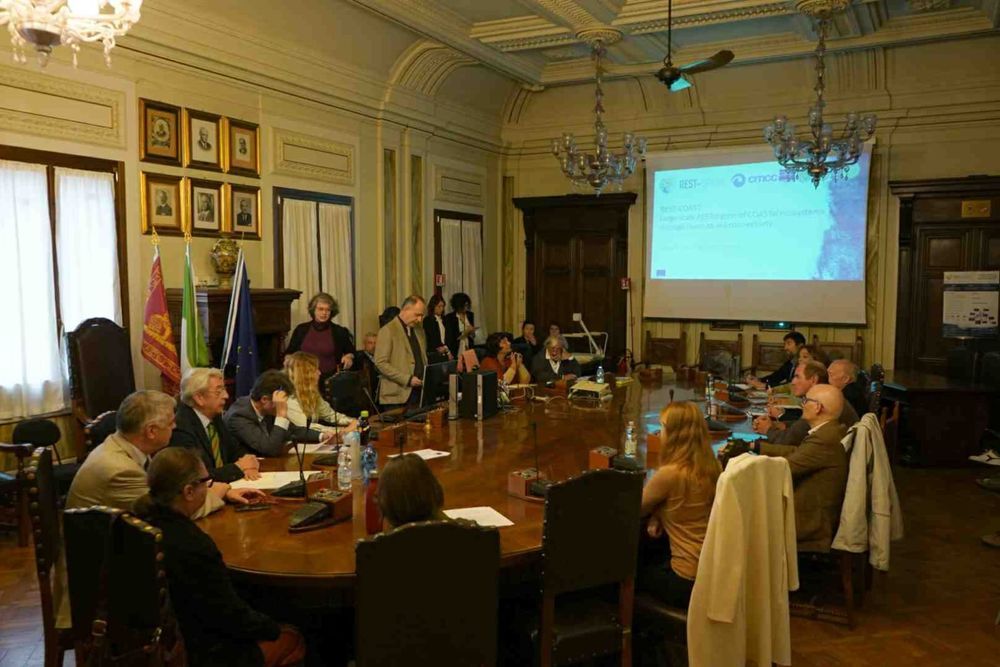
Image 2: Workshop October 2024 (Credit: Dr Perla Irasema Rivadeneyra García)