The Great North Bog is a vast mosaic of peatlands spanning nearly 7,000 square kilometres across northern England’s Protected Landscapes. From the southern edges of the Peak District to the uplands of Northumberland along Scotland’s border, this network of shallow and blanket bogs holds 92% of England’s upland peat. These landscapes are ecologically rich, culturally significant, and central to the region’s water supply and climate resilience. They are also landscapes marked by centuries of intervention, drainage, erosion, and more recently, attempts at repair. It is within this setting that the art project ‘Tenderbog’ sets out to explore how the healing of peatlands and the healing of human bodies might speak to one another.
Tenderbog has been conceived and developed by WaterLANDS UK collaborative artists-in-residence Laura Harrington and Feral Practice (Fiona MacDonald) through their residency research. The artists both interrogate how humans relate to nature through their work. Previously, they worked together on a project initiated by Harrington, Fieldworking (2019-2020), which included an artists’ camp and public fieldtrips to Moor House-Upper Teesdale National Nature Reserve.
Artistic Backgrounds
Both Laura Harrington and Feral Practice have significant portfolios of work focused on environmental themes, and employ a wide variety of media and methods including audio-visual technologies, participatory practices, collaborative working, and fieldwork.
For over a decade, Laura Harrington has centred her practice on an idea she terms ‘Upstream Consciousness’, an ecological framework drawn from the physicality of the upstream habitats in relation to where she lives downstream, aiming to support thinking on how we may adjust our habitual approaches, assumptions, and procedures in relation to ecological concerns. Feral Practice‘s work unpicks the dichotomies people create between human and nonhuman beings and between different ways of knowing. Their process centres on expanding relationality between species and working towards the care and restoration of nature.
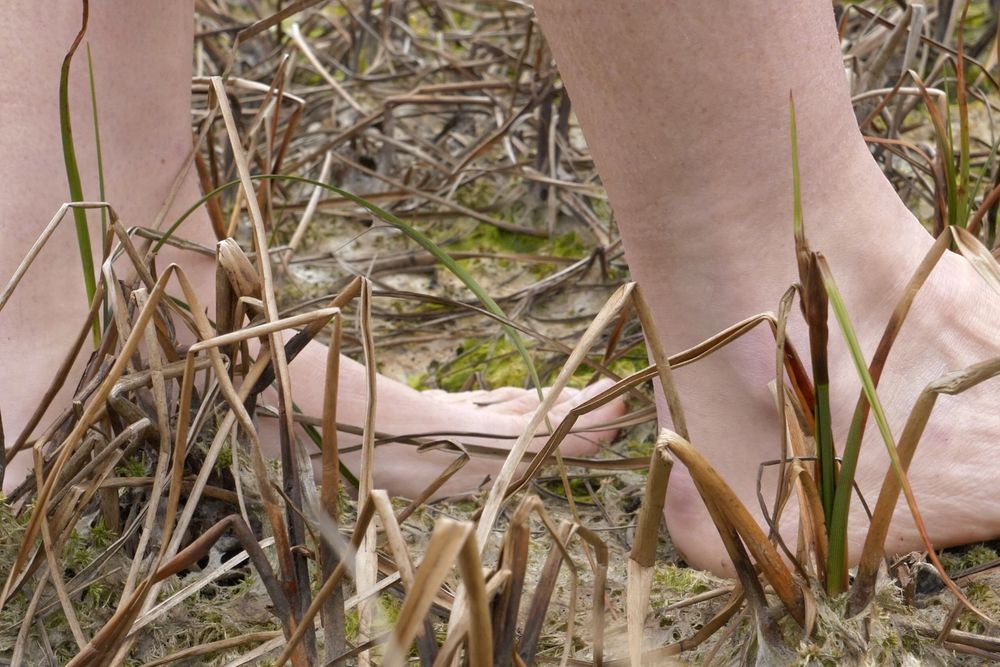
Image 1: Laura Harrington & Feral Practice, Tenderbog (Fountains Fell), 2024, film still.
Tenderbog in WaterLANDS
Tenderbog focuses on touch and the body and on the arenas of damage, degradation, and healing within both peatlands and human bodies. Further to this, it not only emphasises empathy between human and bog bodies but also it highlights the creation and healing of damage in human bodies and peatlands as subject to flows: of liquids, of capital, of hearsay, and of resistance.
“We understand bodies as diverse multispecies communities, and their health as inextricably enmeshed across human and nonhuman spheres.”
Partners at the WaterLANDS Action Site are actively working with these flows of liquid, capital, and resistance. They are focusing their efforts on securing wider investment for restoration of the Great North Bog, co-creating solutions with local communities, and upscaling peatland restoration and management, with the aim of fostering a legacy of healing. Not only is the Great North Bog an important store of carbon, rich in biodiversity and cultural significance, but these upland peatlands are also among the most important water supply systems in the world, delivering water to 15 million people in local communities. Recognising the linkages and interdependencies between the health of the peatland ecosystem and the communities that surround is a critical message to convey to ensure a legacy of restoration and care.
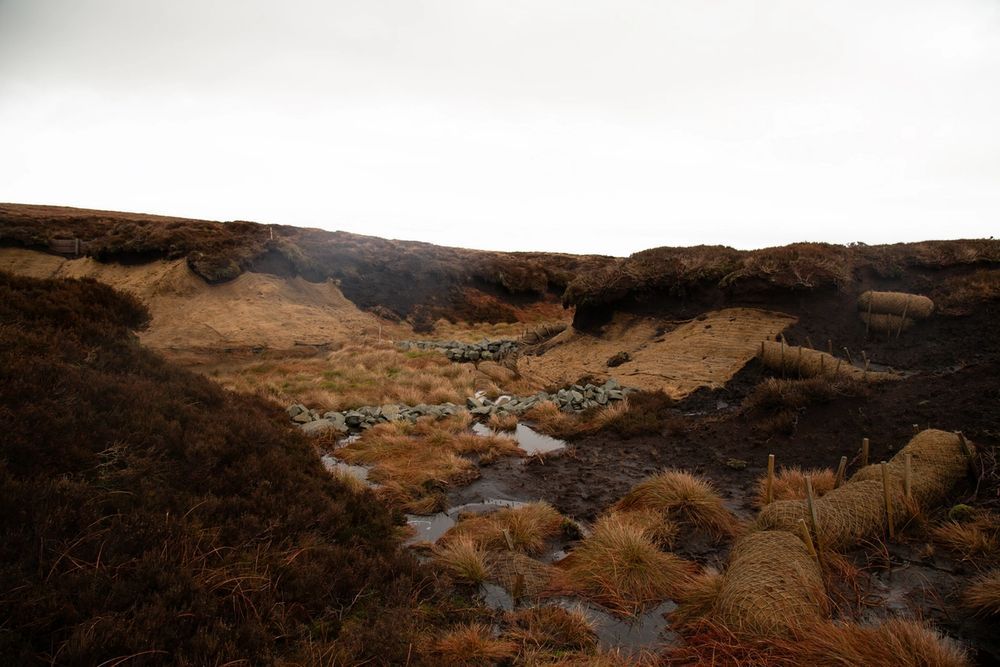
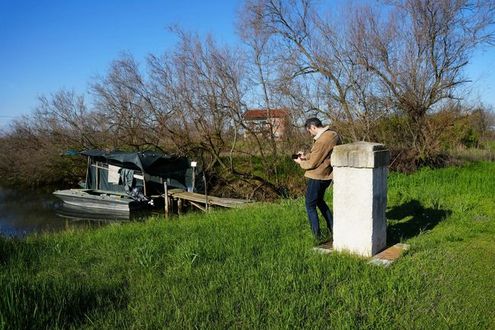
Image 2: Fleet Moss, Nidderdale, November 2024. Photo: Laura Harrington.
A significant aspect of Harrington and Feral Practice’s work has been engaging with and recording conversations with people on site, from peatland contractors, digger drivers, and on-the-ground labourers, to community engagement teams. They have also staged and recorded discussions between pioneering scholars and practitioners in different disciplines of human medicine and peatland restoration. One such conversation unfolded at Fleet Moss, a badly degraded bog undergoing restoration, where they brought together a tissue viability expert and a peatland restoration specialist (Jenny Sharman from Yorkshire Peat Partnership). The conversation explored similarities in the bog’s disrupted hydrology with failures of circulation in human blood and lymph systems. They explored the ways that new vegetation grows, slowly closing over the edges of haggs (steep banks of bare peat) are reflective of how skin heals across a long-term wound, for example a leg ulcer.
Human interventions to peatland, such as digging drainage channels (grips) to dry the land, lower the water table and disrupt a bog's ecological function. Instead of acting like a natural sponge that absorbs and slowly releases water, a degraded upland bog will allow water to flow rapidly off the hills, increasing the risk and severity of flooding in downstream areas. Once dry, the exposed, bare peat is vulnerable to erosion by wind and rain, which can lead to large gullies and hags, which further accelerate water runoff. Restoration techniques can involve rewetting the bog and stabilizing the peat by employing materials such as geotextiles and coir logs to cover the bare areas, slowing the flow of water, and eventually, hopefully, allowing new vegetation to re-establish. In the eyes of Harrington and Feral Practice, these actions evocatively echo the gestures of wound care: protection, stabilisation, absorption, constriction — creating the conditions in which healing can occur and balance can return.
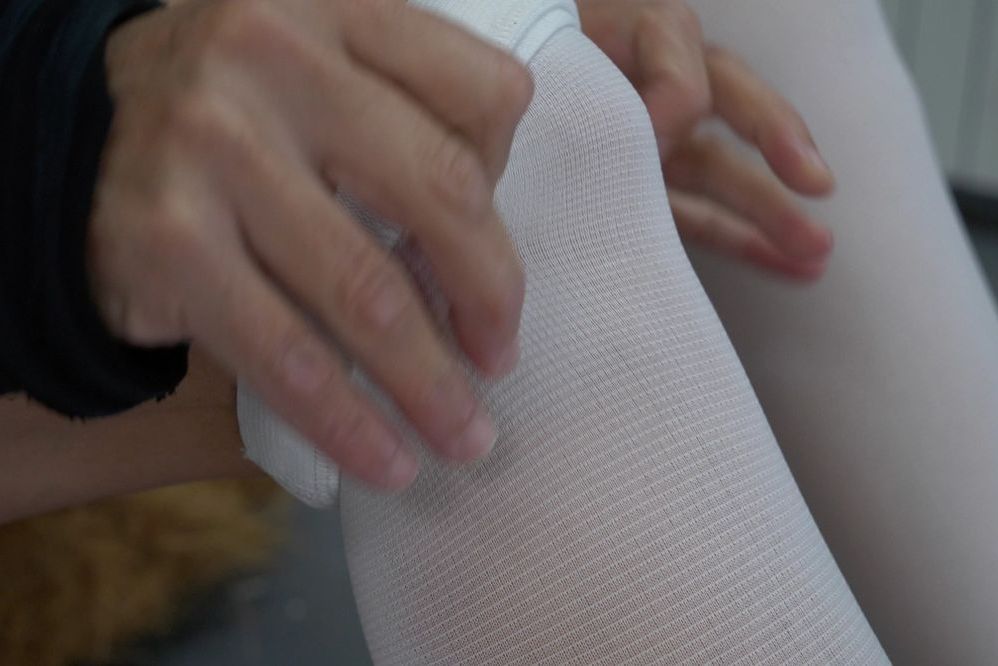
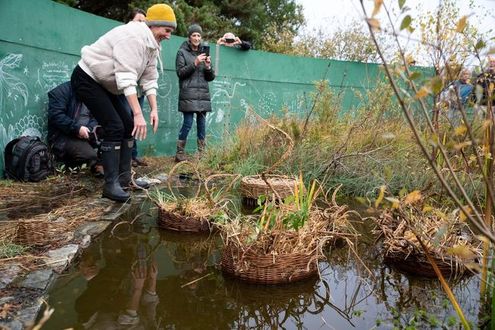
Image 3: Laura Harrington & Feral Practice, Tenderbog (work-in-progress), 2025 film still.
“We have been thinking about how the global, regional, local and micro contexts and actions interact, understanding the bog as a nested series of worlds within worlds, linked by systemic flows.”
Another thread running through Harrington and Feral Practice’s research is their attention to scale — to how the Great North Bog reveals itself differently when viewed from the sweeping aerial perspective of the landscape, the grounded level of the body, and the microscopic worlds humming within a single droplet of peat-stained water. Employing combinations of video, sculpture, sound, dialogue, drawing, microscopy and explorative eDNA analysis, they explore these worlds of human and non-human bodies across different scales. For example, they have been surprised at how two bog pools (artificial/post restoration or natural) in very close proximity can contain completely different biodiversity and be in wide-ranging states of health. They connect this with the human gut microbiome, how it can differ widely even between people who live side by side. In dialogue with pioneering scientists, they are exploring how these micro-worlds echo each other, and how all bodies - human and nonhuman - depend on peatlands.
From this research they are developing an interconnected series of works that can be shared as installation, screening, performance, or participatory encounter.
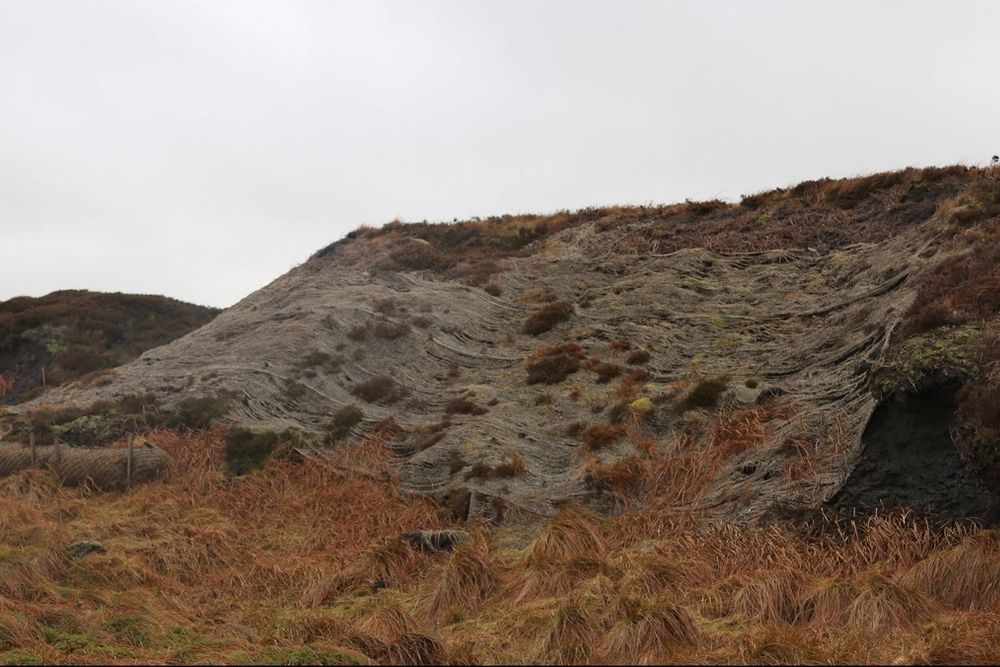
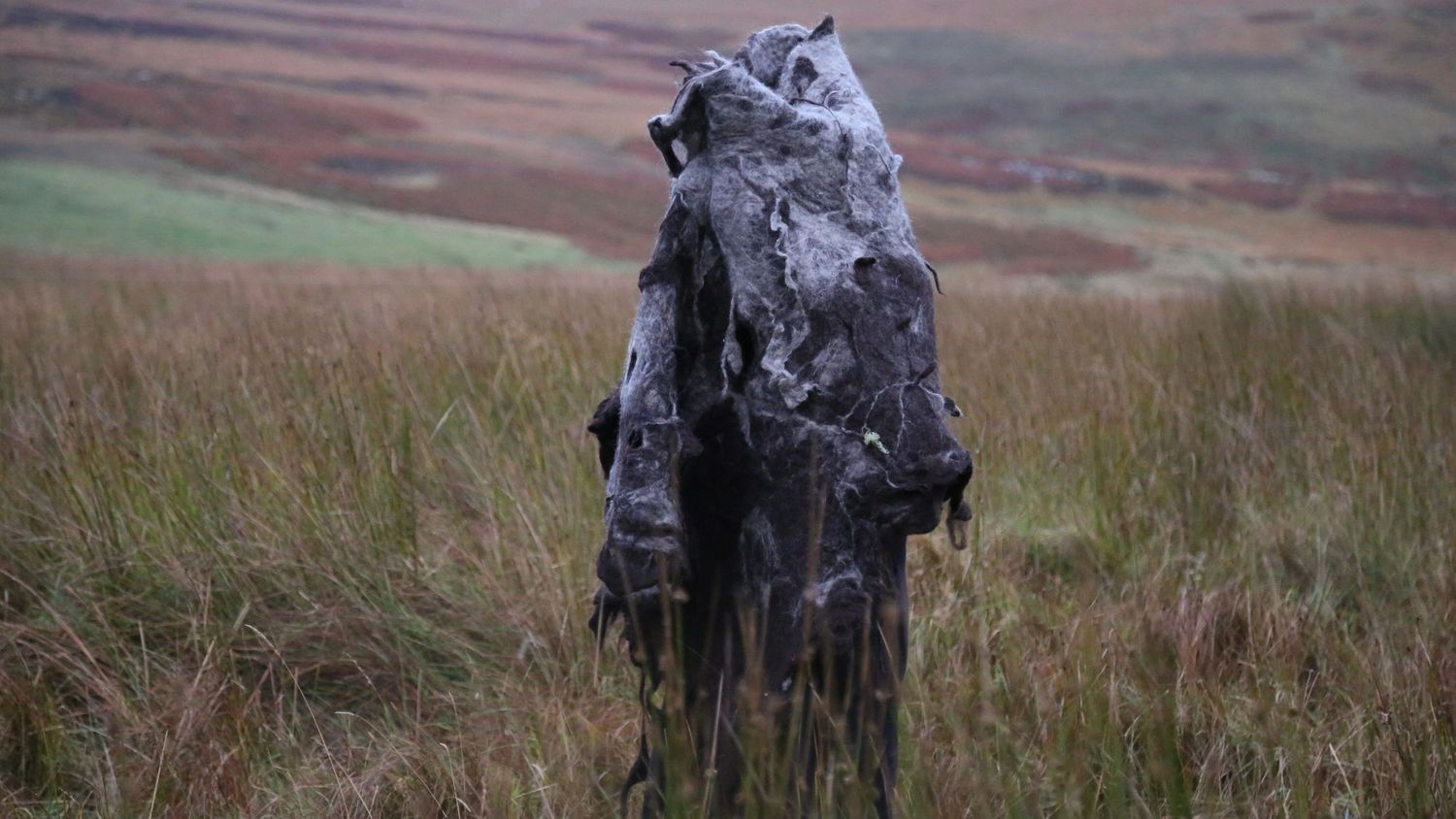
Photo 4: Fleet Moss, Nidderdale, UK, November 2023. Laura Harrington
They are working on a series of large hanging textile sculptures made from materials suggestive of medical care and peatland restoration (for example felt, coir, bandages) and inspired by human and nonhuman protective structures. These sculptures will contain soundscapes.
Their film work-in-progress continues this dialogue between human healthcare and peatland restoration by focusing on gestures of repair and on evoking the intimate sense of care, empathy and nurture they experience when working closely with bogs.
The artists are also expanding their participatory practice, working particularly with people who live with the kinds of health conditions that their research touches upon, including chronic wounds and autoimmune disorders.
Harrington and Feral Practice as distinct artists came together for this residency. They were drawn to this project for its interdisciplinary nature, the longer timescale of the residency supporting sustained practice and extended engagement, and the collaborative approach within which artists are recognised, valued and embedded within the project. Following a gathering of WaterLANDS artists in Germany in 2024, they hosted the cohort in Yorkshire in 2025, strengthening a sense of creative community and mutual support.
Alongside their WaterLANDS residency both artists continue their separate work on projects that link to the themes they are working on. Feral Practice is exploring restoration in the temperate rainforests of southwest England and ongoing water challenges along the River Tone in Somerset. Laura’s work is investigating the ties between upland farming, wool, and nature in Teesdale and Swaledale, alongside a project examining flooding and flood risk in Morpeth.
The artists have found that working collaboratively with the WaterLANDS team has made them both reflect deeply on the connectivity of landscapes, and how flows of water, ideas, funding, and attention affect and interrelate across land and bodies. Their work in the Great North Bog seeks to illuminate these connections, and to imagine forms of restoration that sustain ecological, cultural, and human health simultaneously.