In November 2025, the installation of the largest ever brushwood structure in Venice Lagoon was completed by Action Site partners, We are here Venice (WahV). Designed as a nature-based solution to combat erosion and support salt marsh recovery, the innovative intervention spans the most vulnerable section of a reconstructed marsh and represents a significant step forward in restoring one of Europe's most important coastal wetlands.
The Venice Lagoon, Italy's largest coastal wetland, covers approximately 55,000 hectares and supports a rich mosaic of habitats including salt marshes, mudflats, reed beds and seagrass meadows. However, decades of human intervention, sediment loss, erosion from shipping and water traffic, and reduced natural sediment inputs have led to widespread degradation of these ecosystems.
A Nature-Based Solution for a Vulnerable Marsh
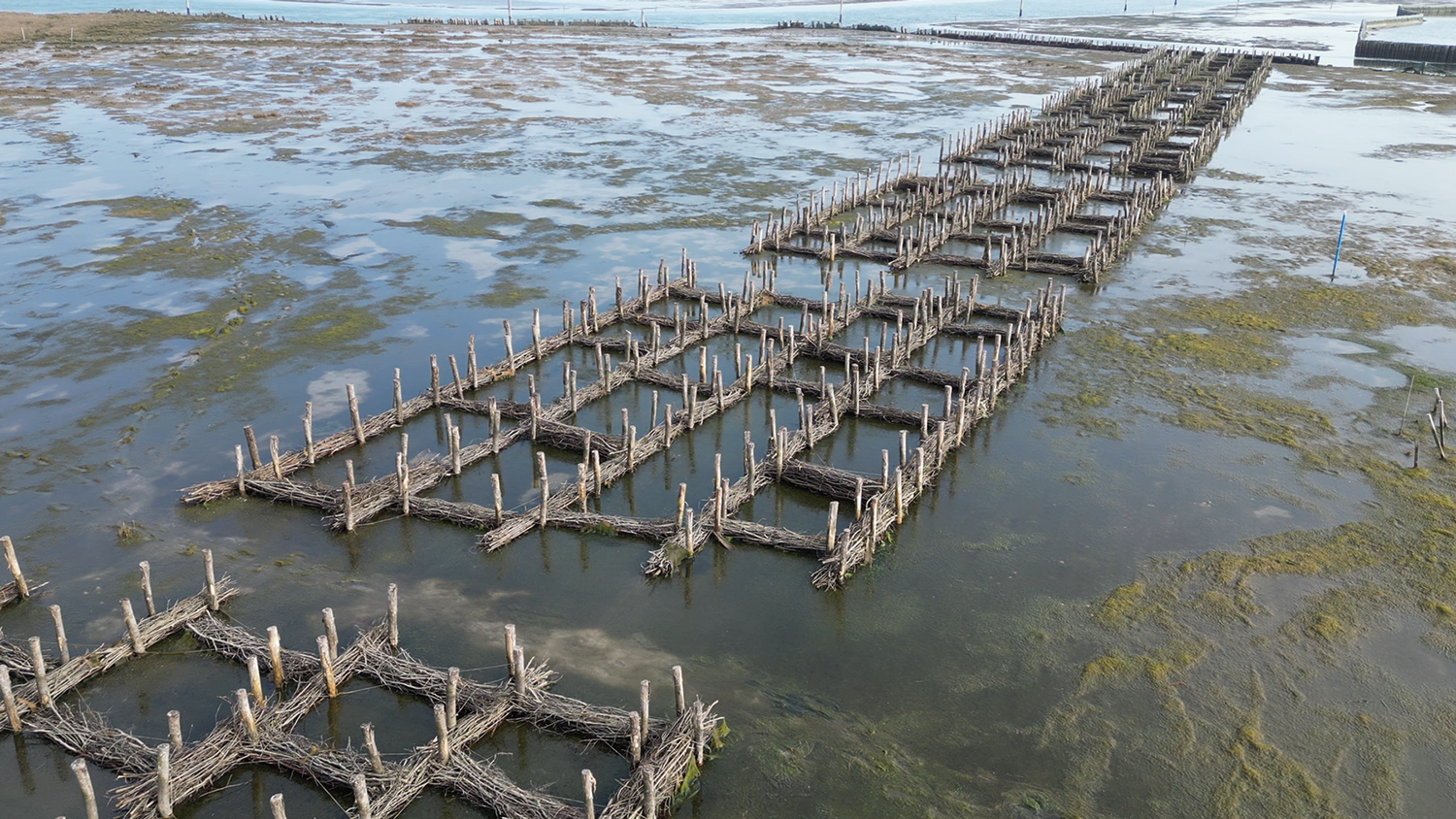
The brushwood installation covers nearly 1,500 square metres and stretches across the width of a particularly exposed area of a reconstructed salt marsh. By reducing the impact of tidal currents and wave action, the structure is designed to slow erosion, trap sediments and create conditions that allow wetland vegetation to establish and expand.
The structure is built using a honeycomb-style macrostructure of bundled branches and timber poles, that introduces both elevation and structural complexity to the site. The brushwood bundles were sourced from woodlands in the hills around Vicenza and Verona, including chestnut, hornbeam and walnut branches, while the structural poles were supplied from Tuscany.
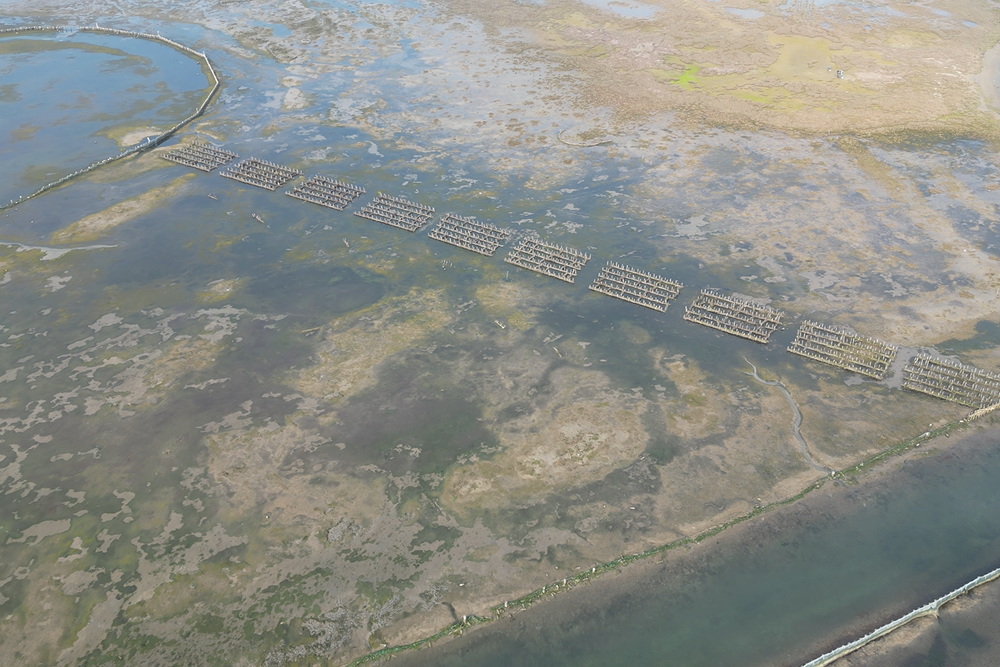
Image 1: Video still from drone (Credit: Giulio Zanovello)
Preliminary monitoring suggests that the structure is already improving the redistribution of energy and sediments across the marsh surface, helping to promote sediment accumulation and vegetation growth. This process is critical for rebuilding marsh elevation and resilience, potentially reversing the cycle of degradation that often affects sediment infill sites in the central lagoon.
The project builds on WaterLANDS' wider restoration strategy at the Action Site, which aims to stabilise sediments and encourage the return of pioneer salt marsh plants such as Spartina, Salicornia and Sarcocornia. These species play an essential role in trapping sediments, increasing biodiversity and enhancing long-term carbon sequestration.
Monitoring Recovery
A comprehensive monitoring programme is underway to assess the effectiveness of the intervention. The project team has installed sensors to measure sediment concentrations on either side of the brushwood structure, alongside instruments that track wave energy and hydrodynamic conditions. Moreover, drone surveys are regularly carried out to assess changes in the topography of the surrounding salt marsh. Additional monitoring includes time-lapse photography, sediment characterisation, vegetation surveys, and assessments of invertebrate and bird communities.
From Demonstration Site to Lagoon-Wide Impact
The significance of this intervention extends well beyond a single marsh. WaterLANDS partners estimate that at least fifty similar sediment infill sites in the central Venice Lagoon could benefit from comparable nature-based measures. If adopted more widely, these approaches could reduce maintenance costs for public authorities by prolonging the lifespan of reconstructed marshes while simultaneously delivering ecosystem services such as habitat restoration, improved water quality, biodiversity enhancement and carbon storage.
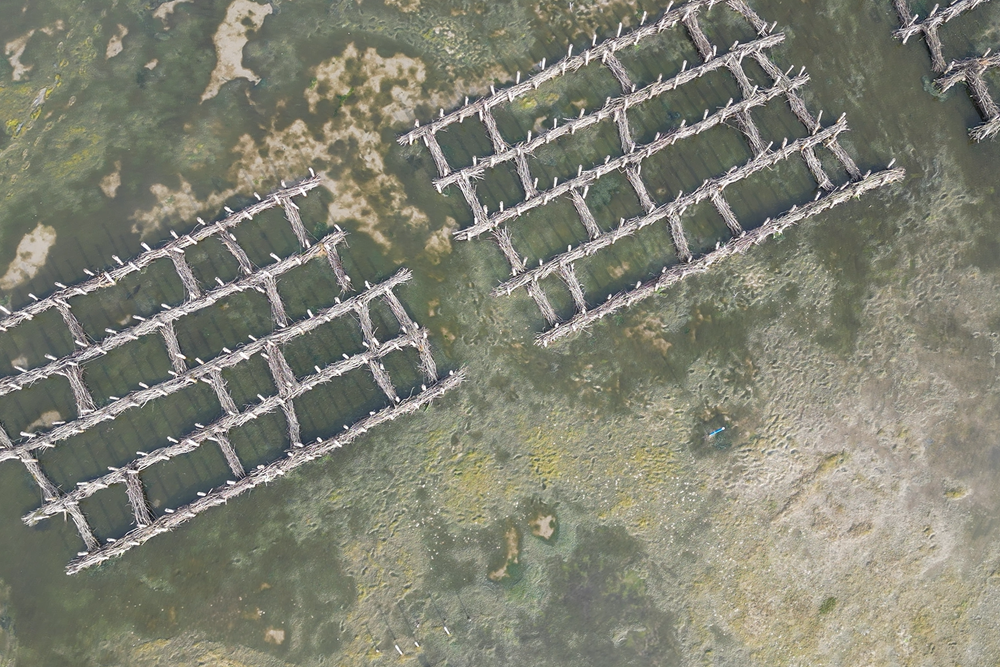
Image 2: Video still from drone (Credit: Giulio Zanovello)
The Italian Action Site also serves as a demonstration of how ecological restoration can be integrated with community engagement and long-term landscape management. WahV has been working hard to strengthen connections between scientists, policymakers, local communities and lagoon stakeholders while promoting a broader understanding that the future of Venice is inseparable from the health of its surrounding lagoon ecosystem.