From 11–14 May, the WaterLANDS consortium gathered in Estonia for its fifth General Assembly — four days of field visits, hands‑on restoration work, creative exchange, and strategic planning for the future of Europe’s wetlands.
For many partners, it was the first time seeing Estonia’s restoration sites in person. Feeling the wind lift dust from dry peat, walking across a living bog that bounced underfoot, and meeting the people shaping these landscapes brought years of reports and presentations vividly to life.
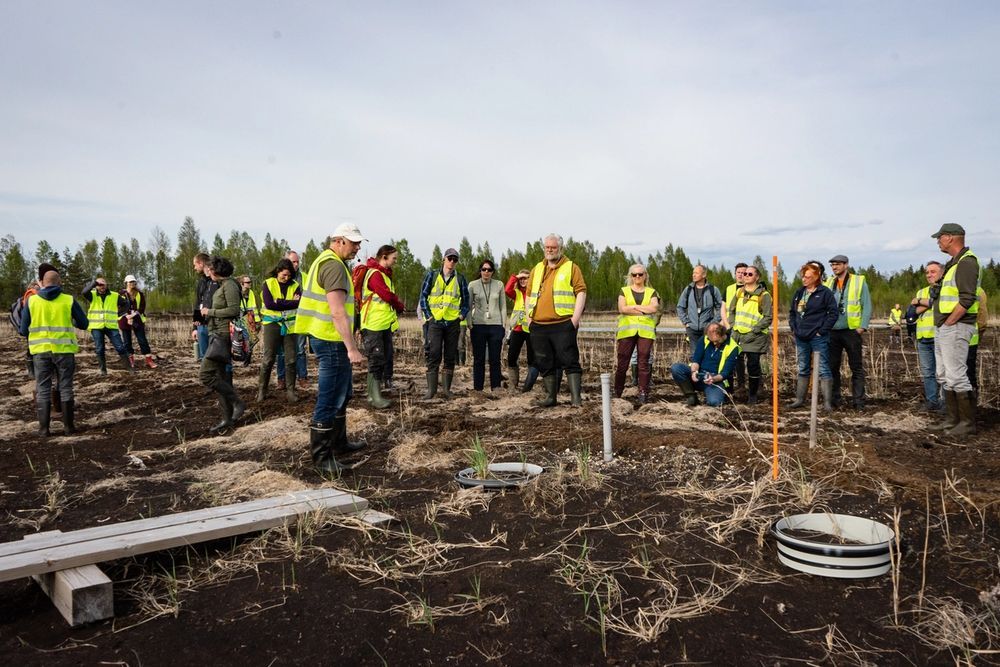
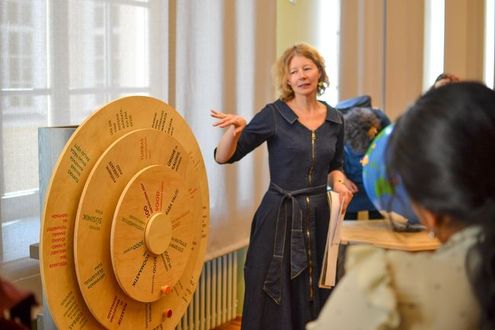
Image 1: Marko Kohv giving the consortium a tour at the Lavassaare restoration site (Credit: Anna Birgitta Erikson)
11 May — First Impressions at Lavassaare
The Assembly opened with an evening visit to Lavassaare, a former peat extraction area still marked by decades of disturbance. The site is strikingly dry, at times experiencing dust storms that lift fine peat particles into the air — a reminder of how fragile degraded peatlands can be.
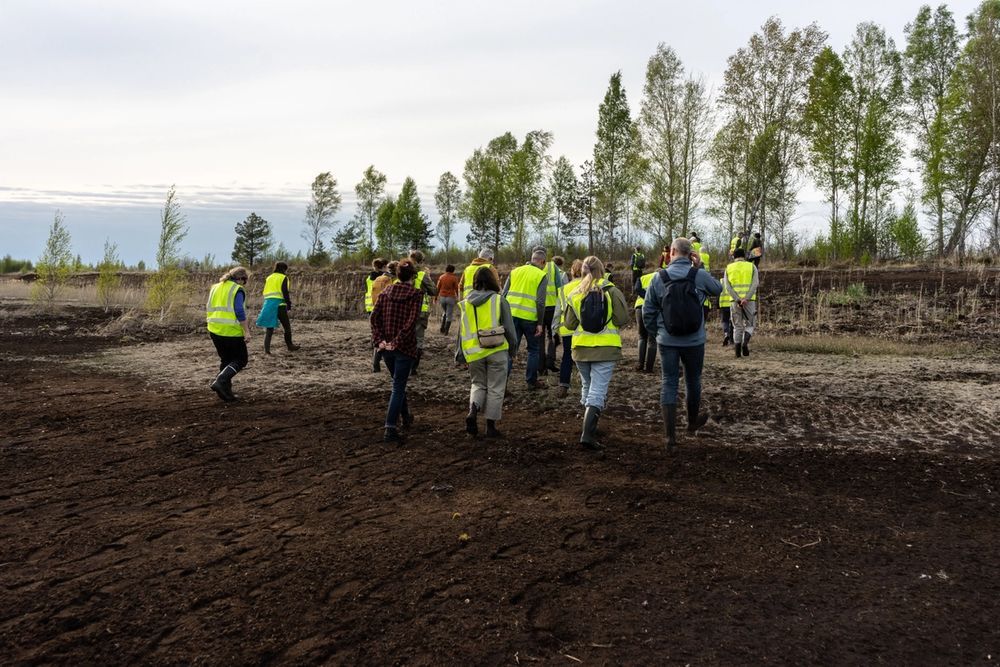
Image 2: Consortium walking in Lavassaare (Credit: Anna Birgitta Erikson)
Restoration works completed in 2025 included dam construction, forest removal, and the levelling of a 2.9‑hectare former mining area to recreate the open, water‑retaining conditions of a natural bog. These interventions aim to reduce peat mineralisation and stabilise the landscape so wetland ecosystems can return.
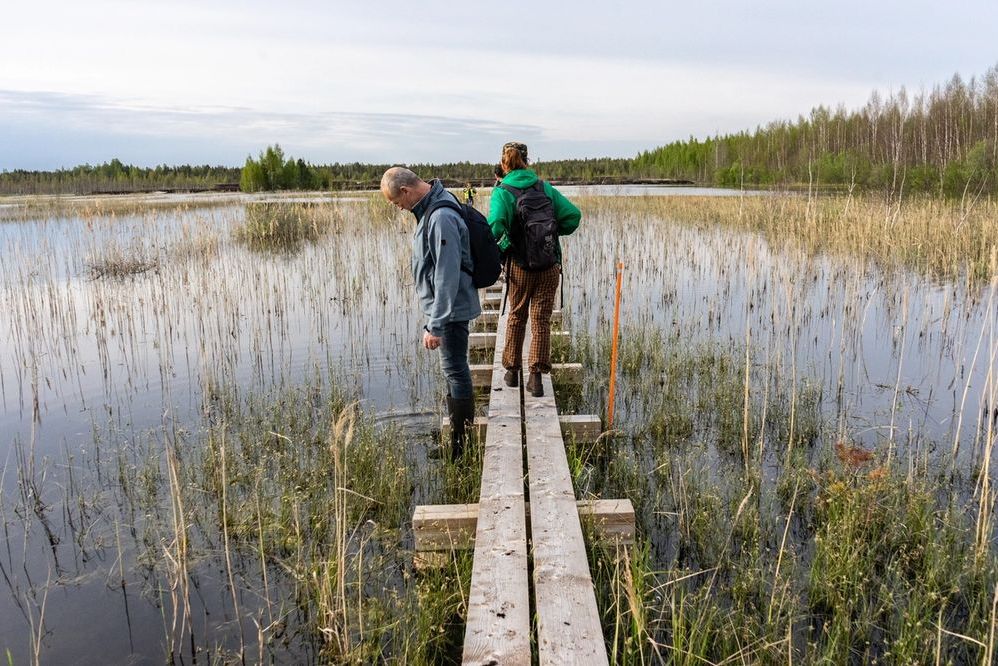
Image 3: Consortium partners walking along the boardwalk above the tufa-forming spring fen (Credit: Anna Birgitta Erikson)
A boardwalk built for monitoring led the group to a rare tufa‑forming spring fen, where calcium‑rich groundwater surfaces and forms porous limestone deposits that coat mosses and soil. Partners also visited areas managed by Tootsi Turvas, where ditch backfilling, peat embankments, and overflow dams are helping re‑establish natural hydrology. In drier zones, biological restoration is underway through sowing bog vegetation and planting trees.
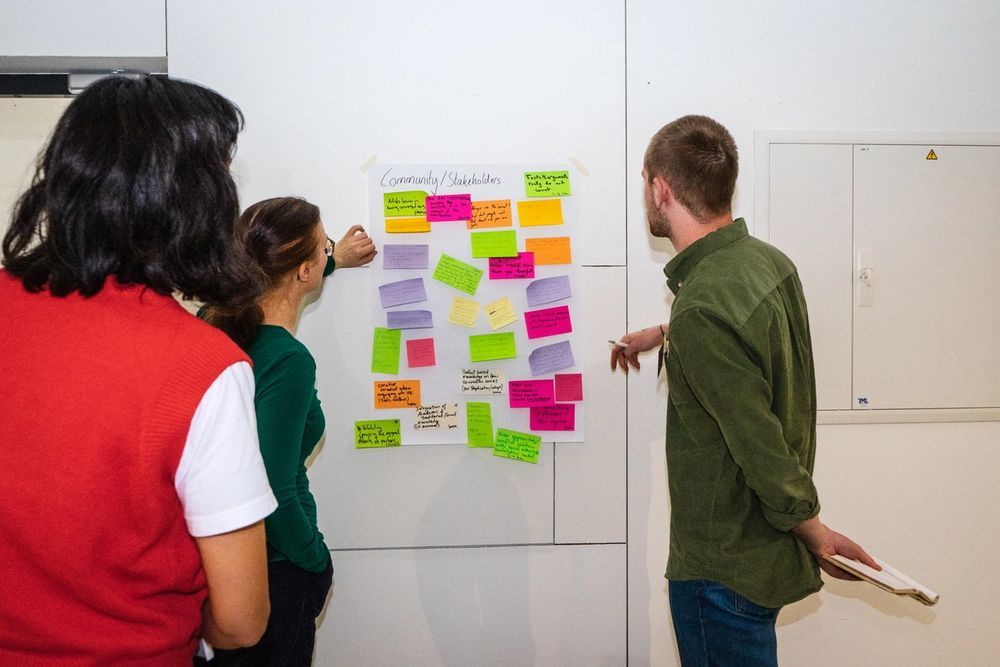
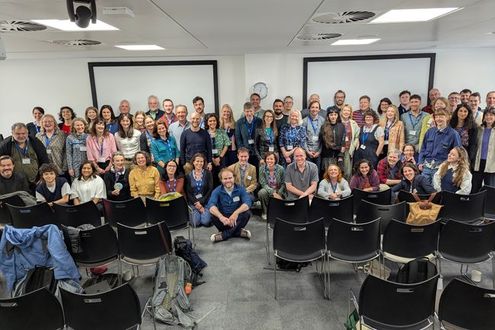
Image 4: Workshop on key lessons from the project (Credit: Anna Birgitta Erikson)
12 May — Citizen Science, Cranberries, and Creative Perspectives
The second day began with presentations and a workshop before the consortium travelled to the Kõrsa citizen science trail, a former extraction field restored in 2024. The trail’s interpretive posts and QR codes allow visitors to learn about restoration techniques and contribute monitoring data.
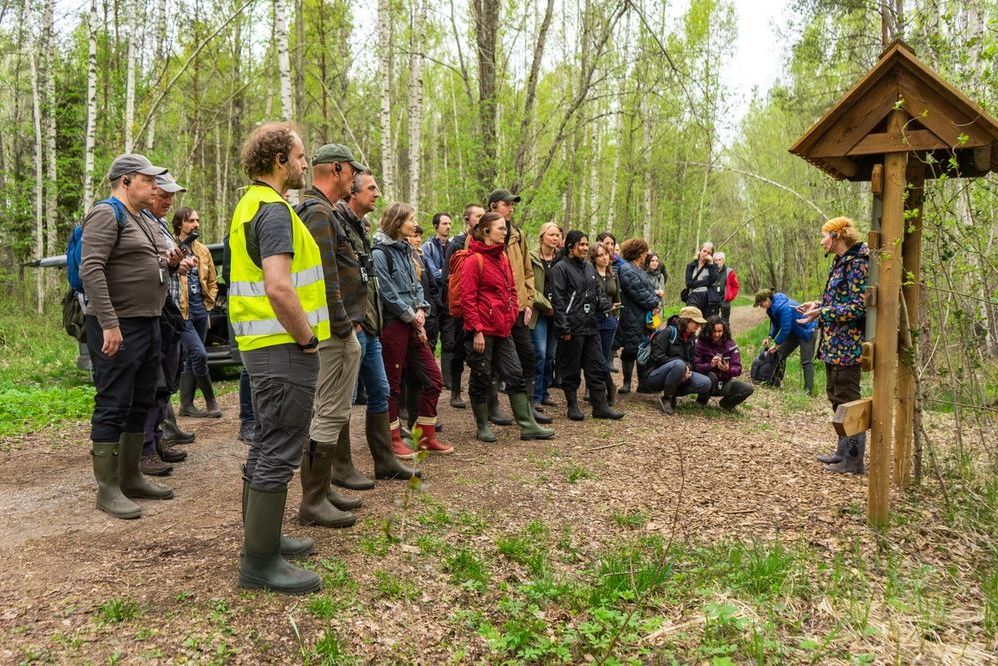
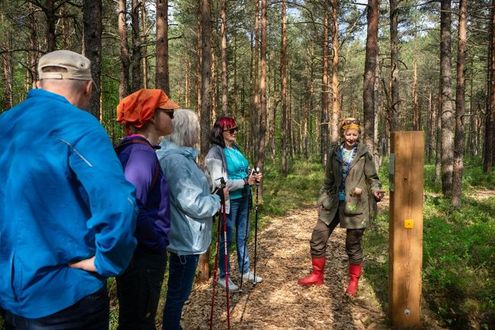
Image 5: Piret Pungas-Kohv guiding the consortium along the Kõrsa citizen science trail (Credit: Anna Birgitta Erikson)
Partners then rolled up their sleeves for volunteer activities, planting cranberries and constructing peat dams — a hands‑on reminder of the labour and care behind peatland recovery.
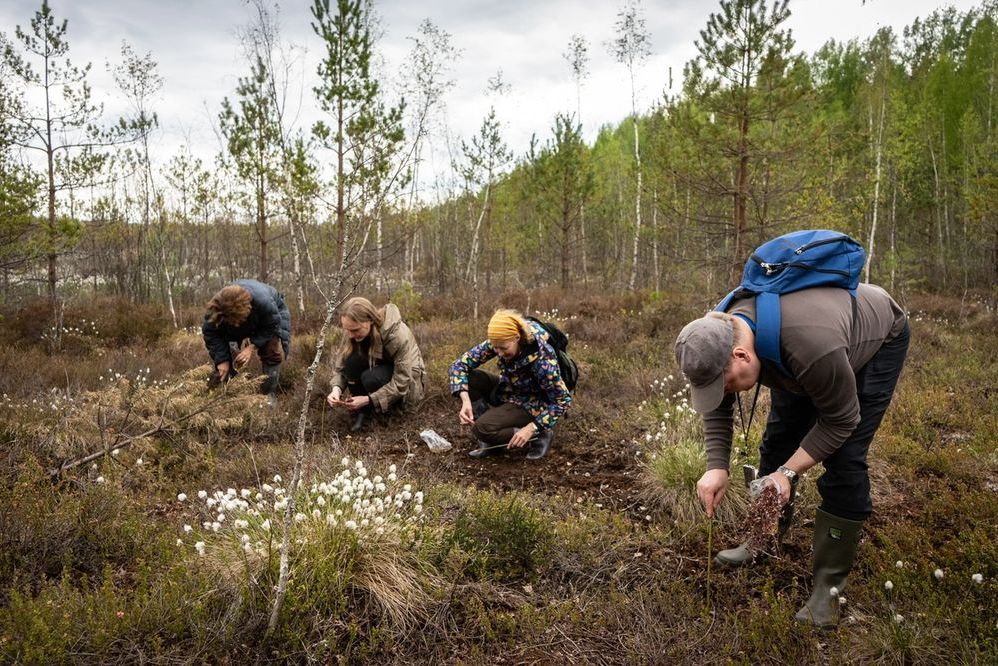
Image 6: Consortium partners planting cranberries at Kõrsa (Credit: Anna Birgitta Erikson)
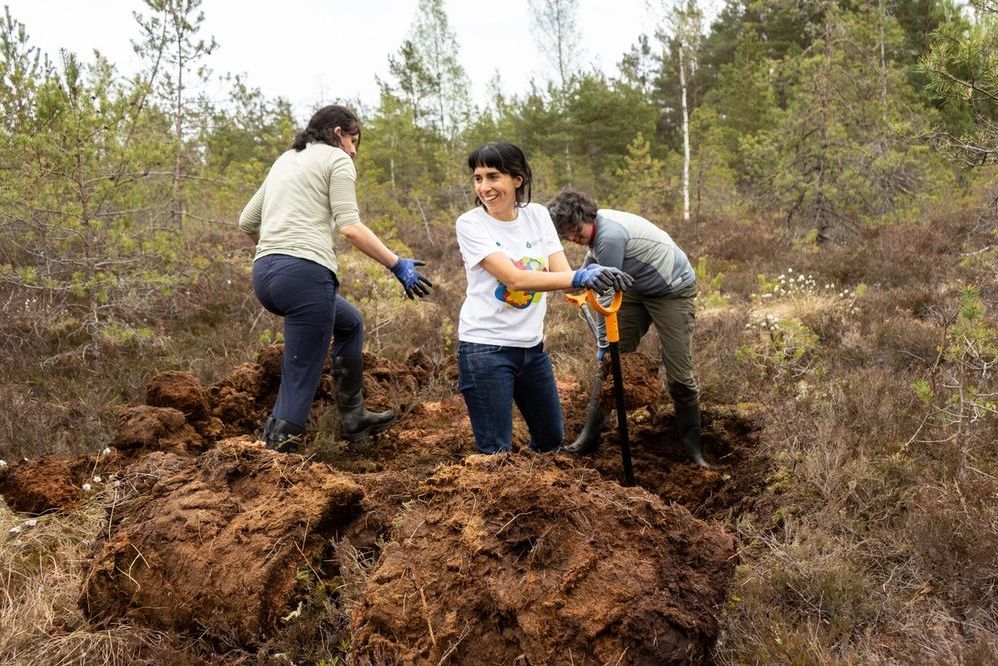
Image 7: Consortium partners constructing peat dams at Kõrsa (Credit: Anna Birgitta Erikson)
That evening, the focus shifted from fieldwork to art. In Pärnu, the consortium attended the opening of UNBOUNDED WITHIN – SYMBIOTIC SUBJECTIVITIES, curated by WaterLANDS artist-in-residence at the Estonian Action Site, Elo Liiv. The exhibition showcased work from WaterLANDS artists alongside Estonian artists inspired by wetlands and received national coverage on ERR, Estonia’s public broadcaster.
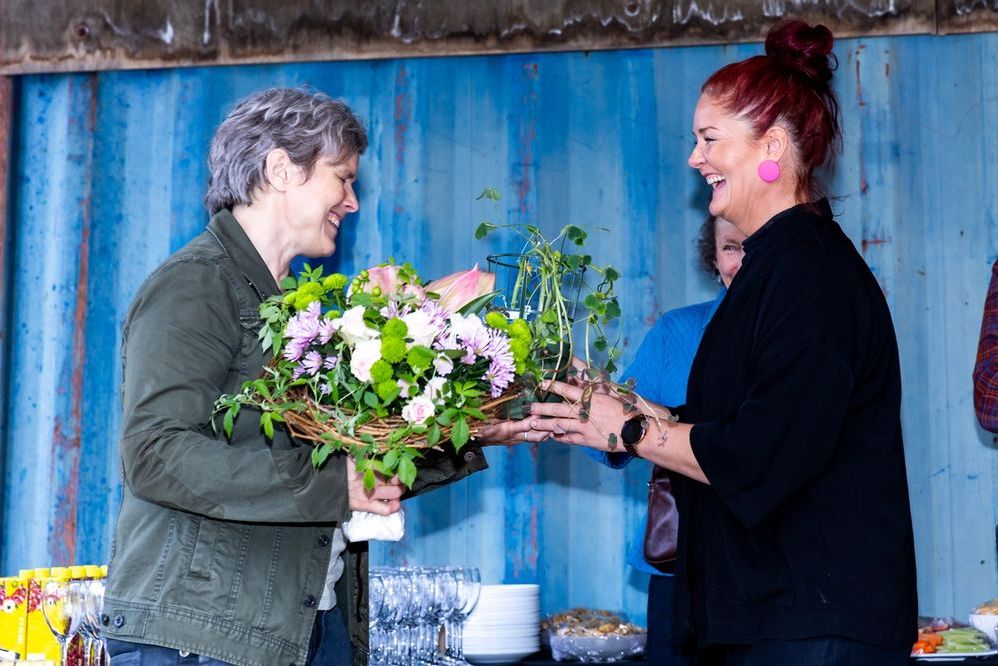
Image 8: Elo Liiv, the exhibition curator being presented with flowers (Credit: H. Rannakivi)
13 May — Exploring Kikepera and Its Future
Day three took the consortium to Kikepera, a site previously drained for forestry and now the focus of nationwide discussion due to its planned restoration. The visit followed a morning of interactive sessions on co-creation, policy advocacy, and action site progress.
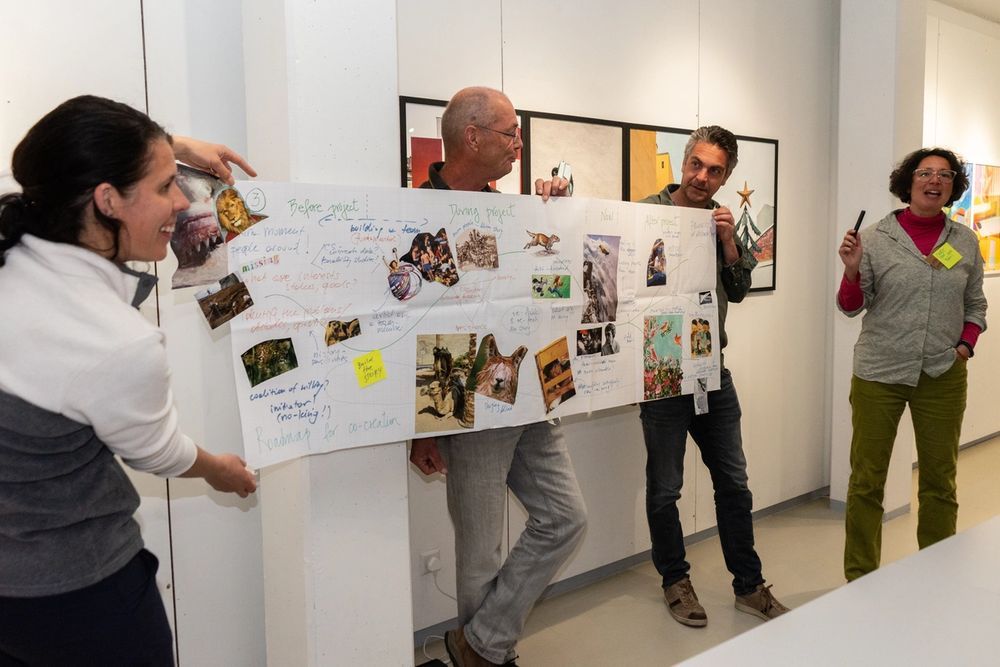
Image 9: Agata Klimkowska presenting her group's co-creation roadmap (Credit: Anna Birgitta Erikson)
The group walked through undrained swamp forest that gradually opened into bogland dotted with small pine trees— a characteristic feature of eastern European bogs. Along the way, partners spotted Bog Labrador tea, moose tracks, and an adder snake.
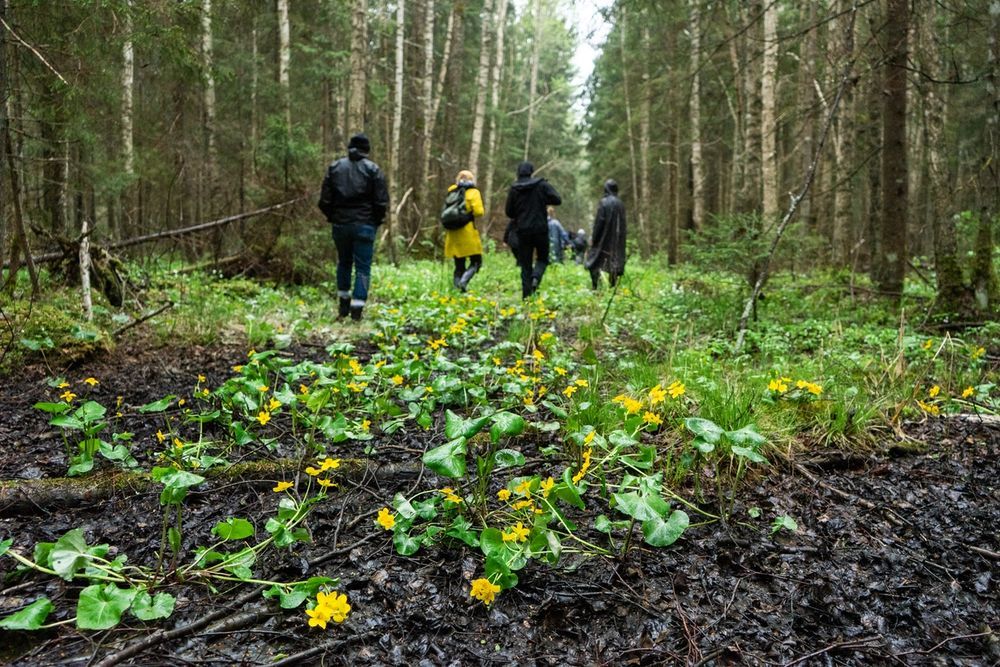
Image 10: Consortium partners walking through the undrained swamp forest (Credit: Anna Birgitta Erikson)
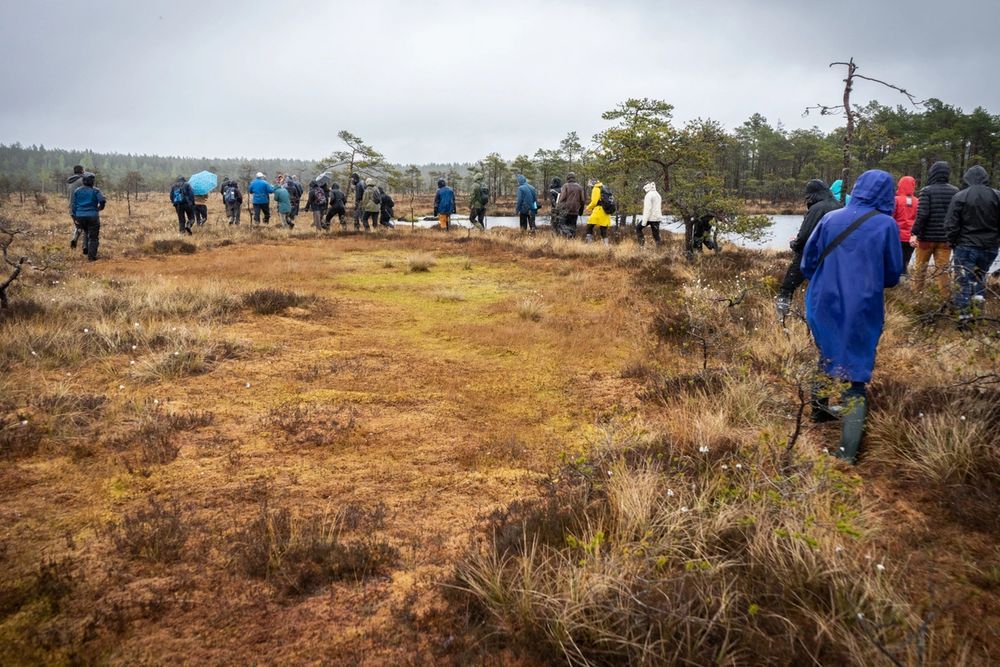
Image 11: Consortium partners walking along the bog (Credit: Anna Birgitta Erikson)
The route continued to a quiet lake bordered by a floating mat of sphagnum moss, where a few brave members took a dip. The return path passed through a drained peatland forest, highlighting the stark contrast between degraded and recovering landscapes.
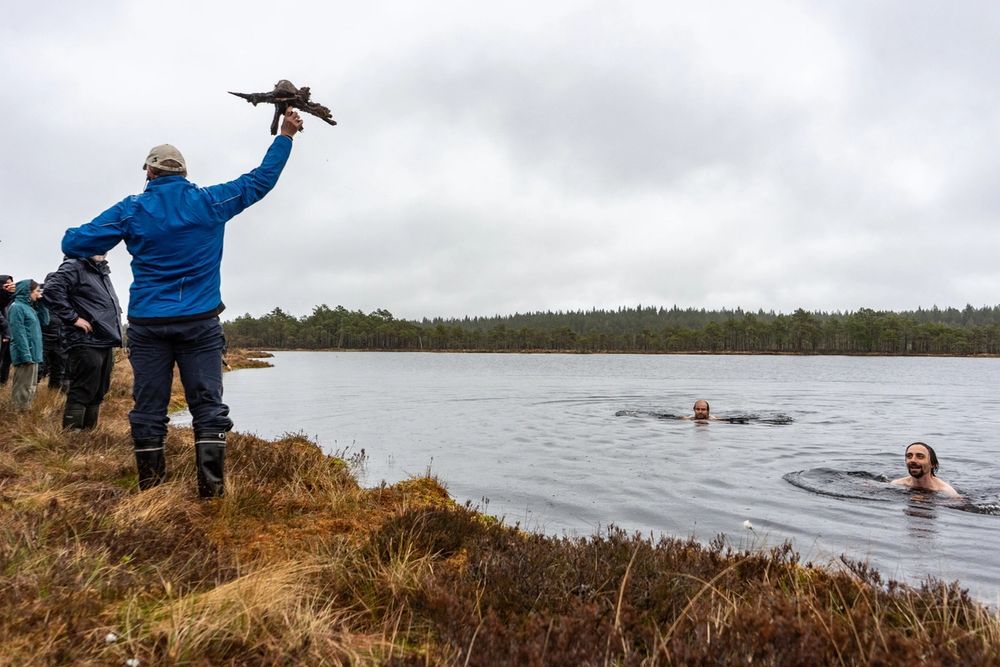
Image 12: Consortium partners swimming in the bog pool (Credit: Anna Birgitta Erikson)
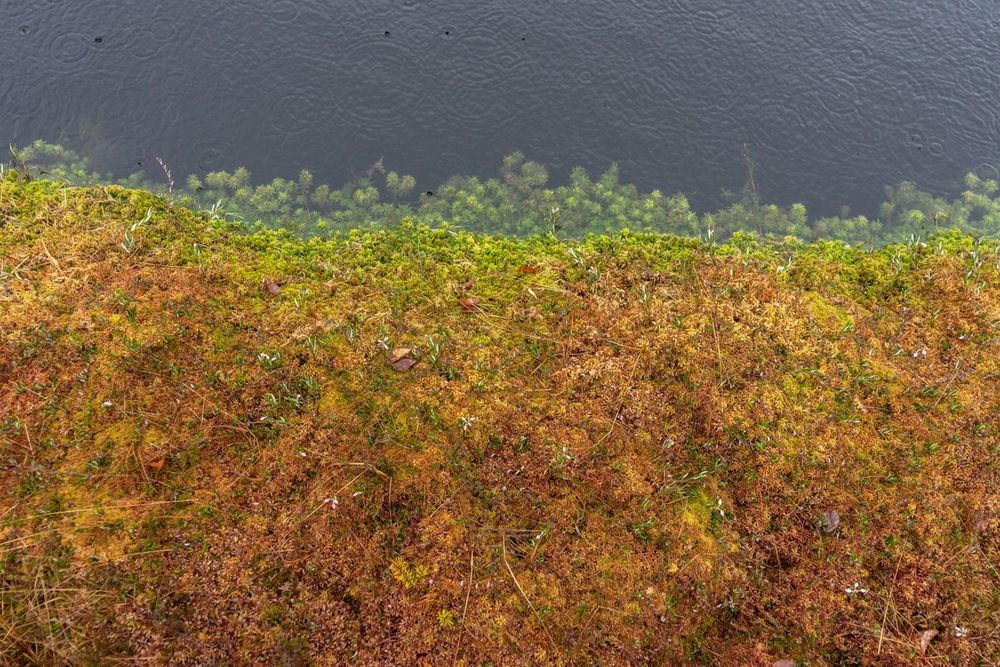
Image 13: Sphagnum moss bordering the bog pool (Credit: Anna Birgitta Erikson)
14 May — Legacy, Learning, and Looking Forward
The final day focused on community engagement, the artist residency, messaging for key outputs of the project, and the long‑term legacy of mobilising finance for wetland restoration.
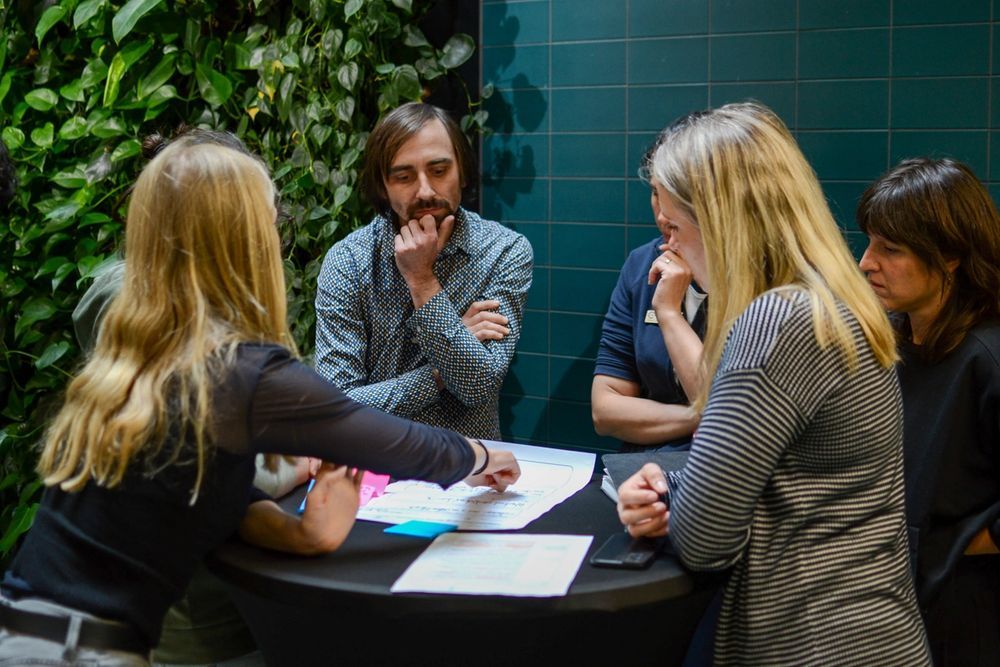
Image 14: Group work on key messages (Credit: Ode Maria Punamäe)
Some partners also visited the University of Tartu’s Natural History Museum, where an exhibition on mires and their restoration — co‑curated by WaterLANDS team member Piret Pungas‑Kohv — offered further insight into Estonia’s peatland heritage.
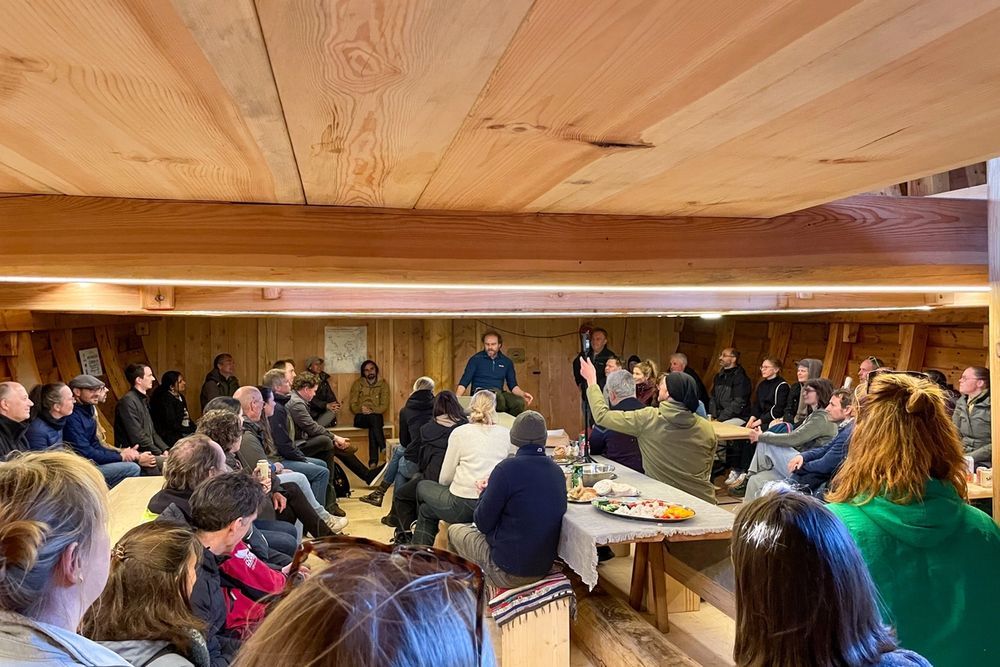
Image 15: Shane McGuinness giving closing remarks on the barge (Credit: Ode Maria Punamäe)
The Assembly concluded with a dinner aboard a two-masted barge on the River Emajõgi. Each gathering reinforces the value of meeting in-person to collaborate, share insights, and strengthen the collective impact of WaterLANDS. At this pivotal stage of the project, partners are focused on distilling and communicating their work so that stakeholders across Europe have the evidence and tools needed to accelerate wetland restoration.
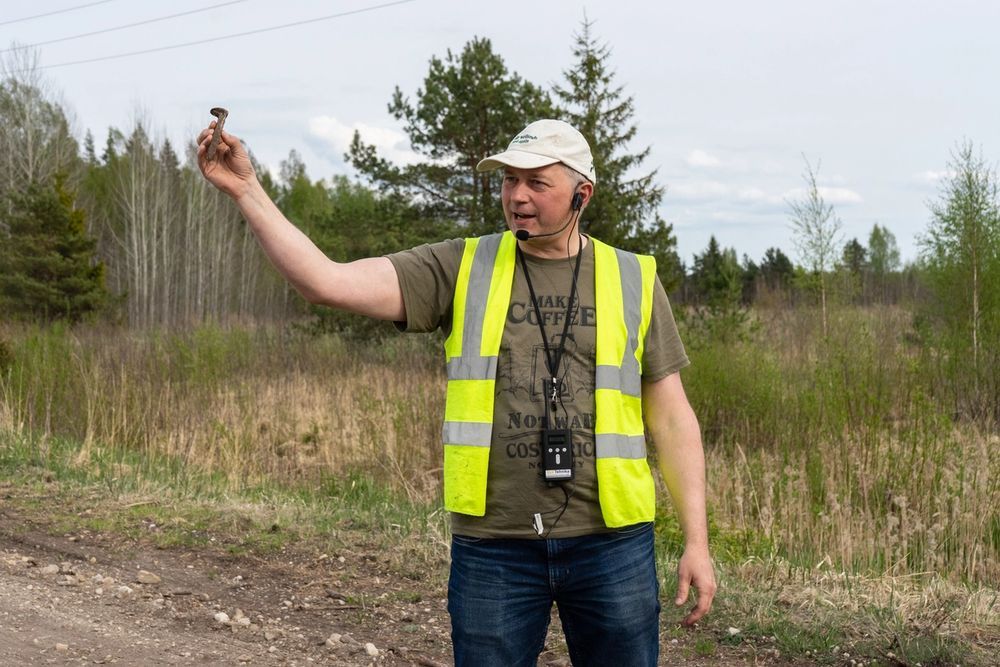
Image 16: Marko Kohv giving a tour at the Lavassaare site (Credit: Anna Birgitta Erikson)
The consortium extends its sincere thanks to the Estonian partners for their exceptional coordination and hospitality throughout the General Assembly.